“Curating my first exhibition was an exciting and thrilling experience. While preparing for it, one thing became clear to me, fittingly in line with the theme of the exhibition: the devil is often in the details.”Stefan Spitzer | Museum Educator and Curator of the Exhibition
Stefan Spitzer is an art historian and has been working in the Education and Outreach Department at the Draiflessen Collection since 2021. His research focuses on the visual arts of the Middle Ages and the early modern period, particularly iconographic analysis and the political instrumentalization of visual artworks.
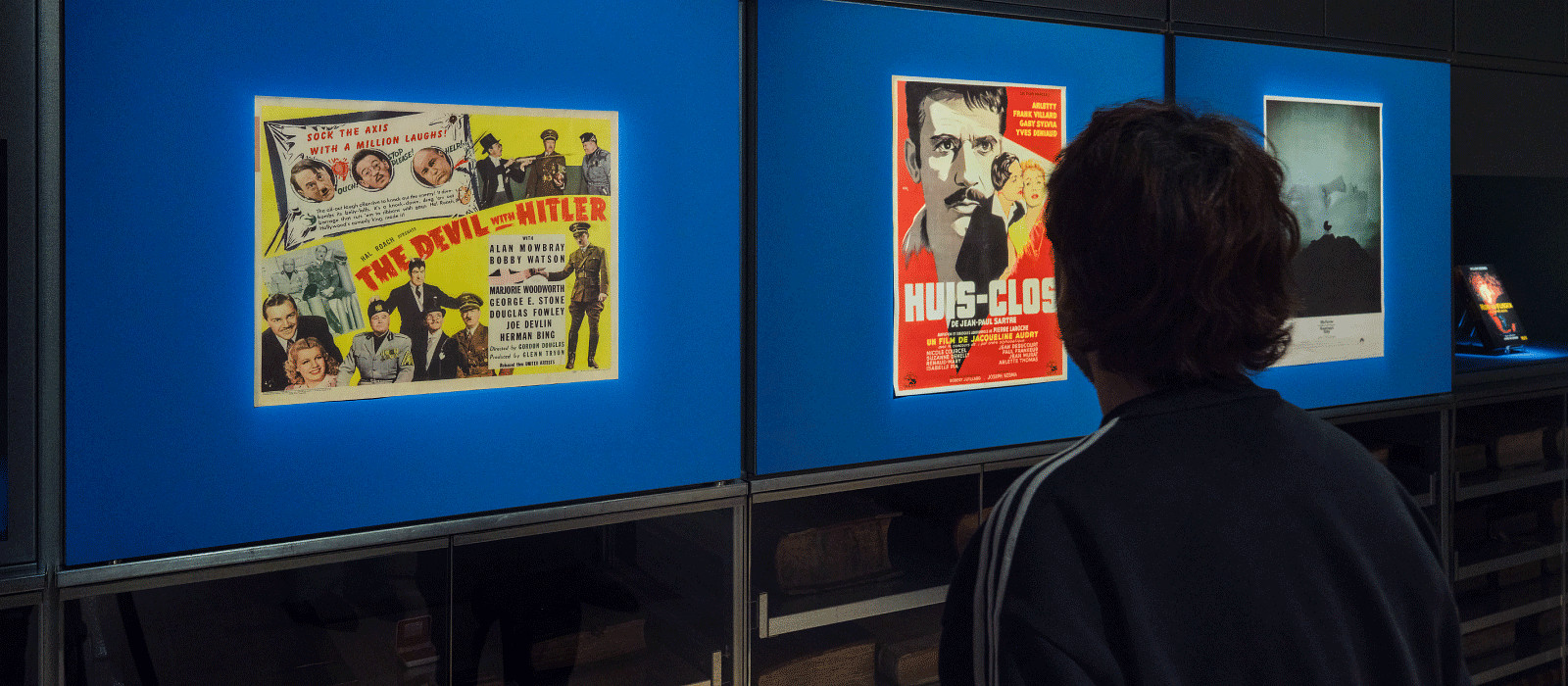
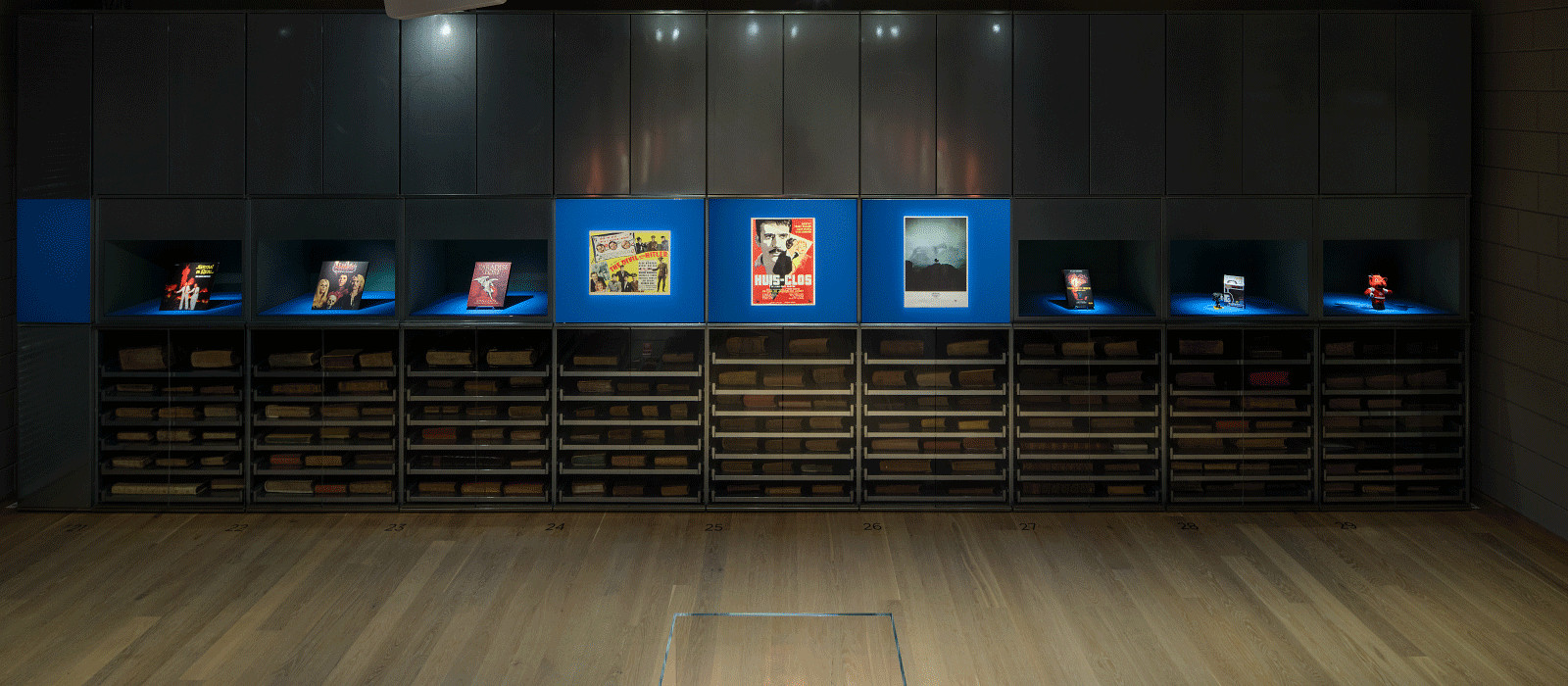
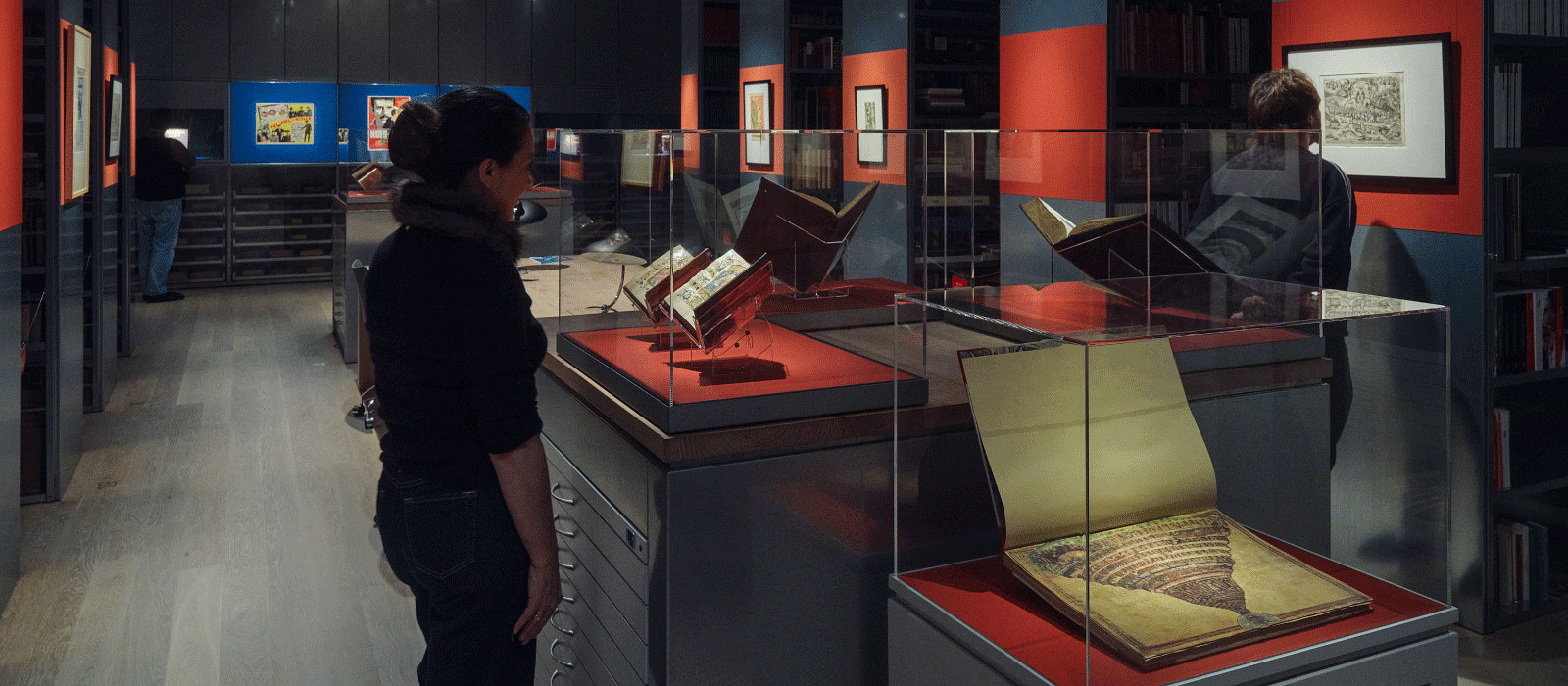
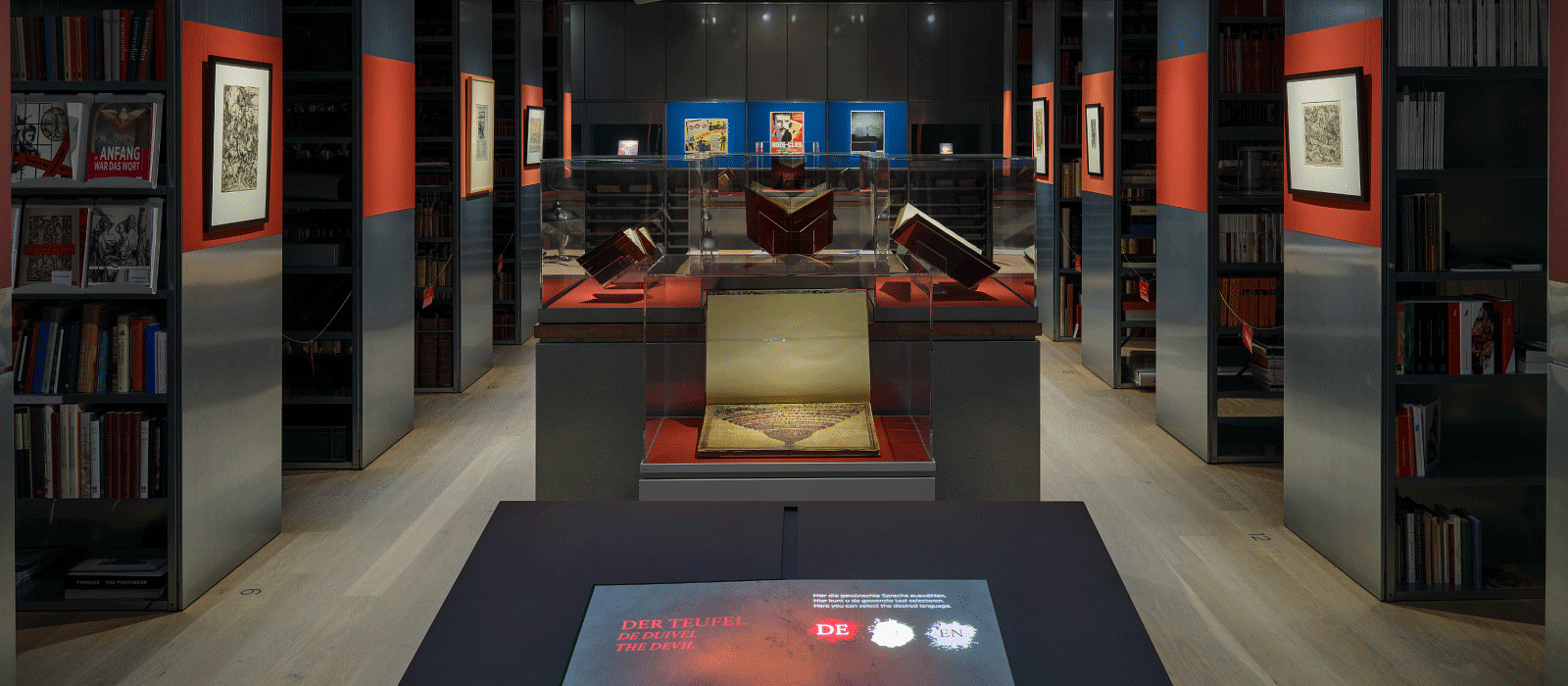
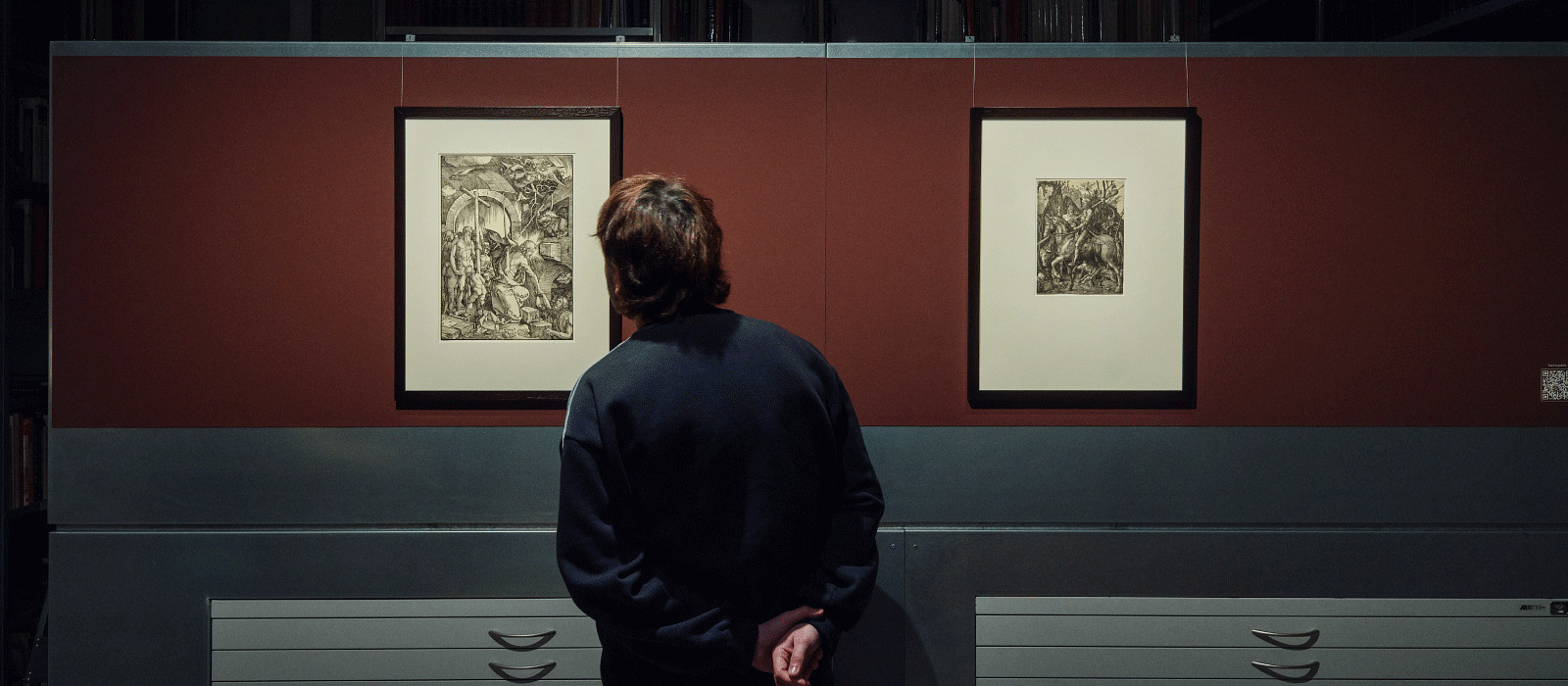
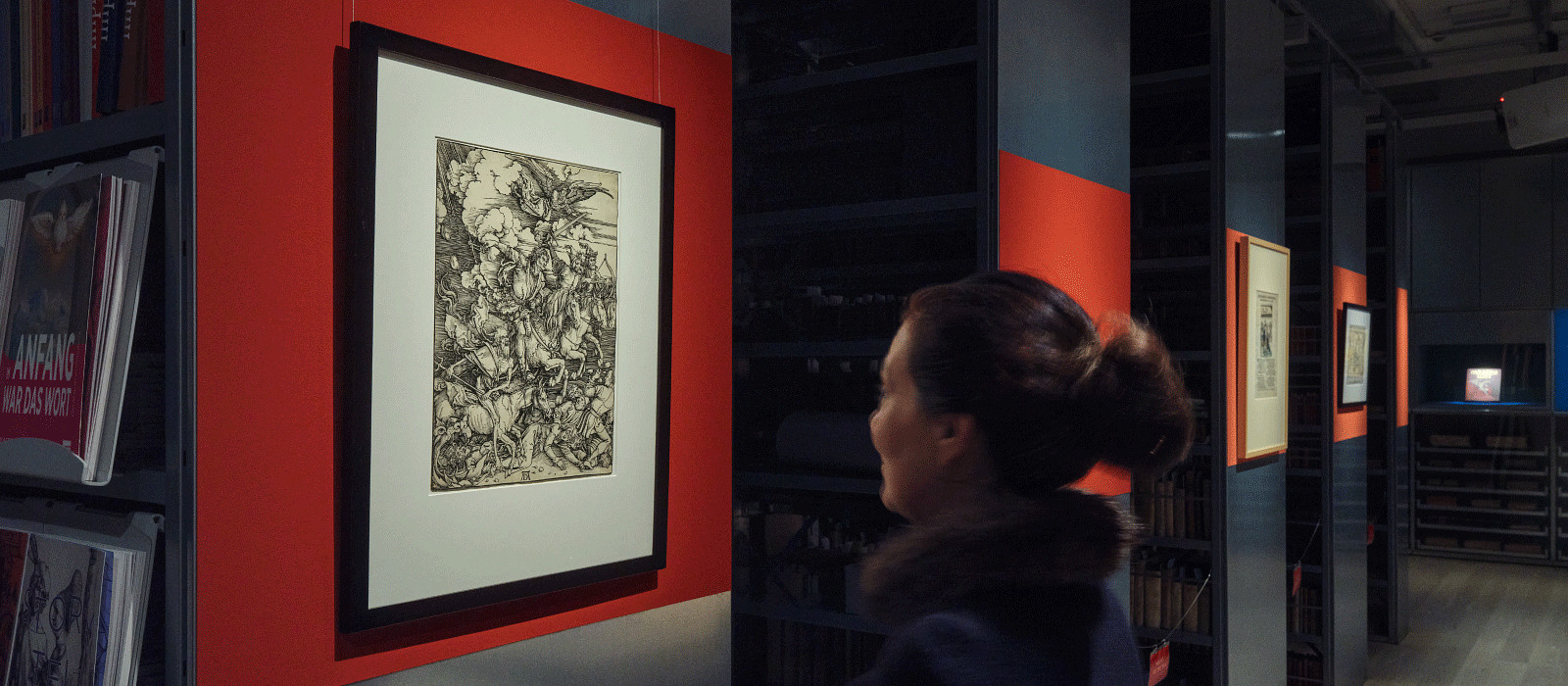
No other figure has caused as much horror and fascination in Christianity as the Devil. For centuries, believers feared that he and his demons, as God’s adversary, would try to bring disorder into the world at any time. Natural disasters, earthquakes, and epidemics were seen as works of the Devil—as were the personal temptations with which he tried to lead people astray. This idea fed the fear of the torments of hell and deeply shaped Christian belief in the context of everyday culture. The showcase exhibition THE DEVIL in the Study Room shed light on the changes and diversity of the image of the Devil—from biblical concepts to depictions in popular culture.
From the Bible to the Imagination
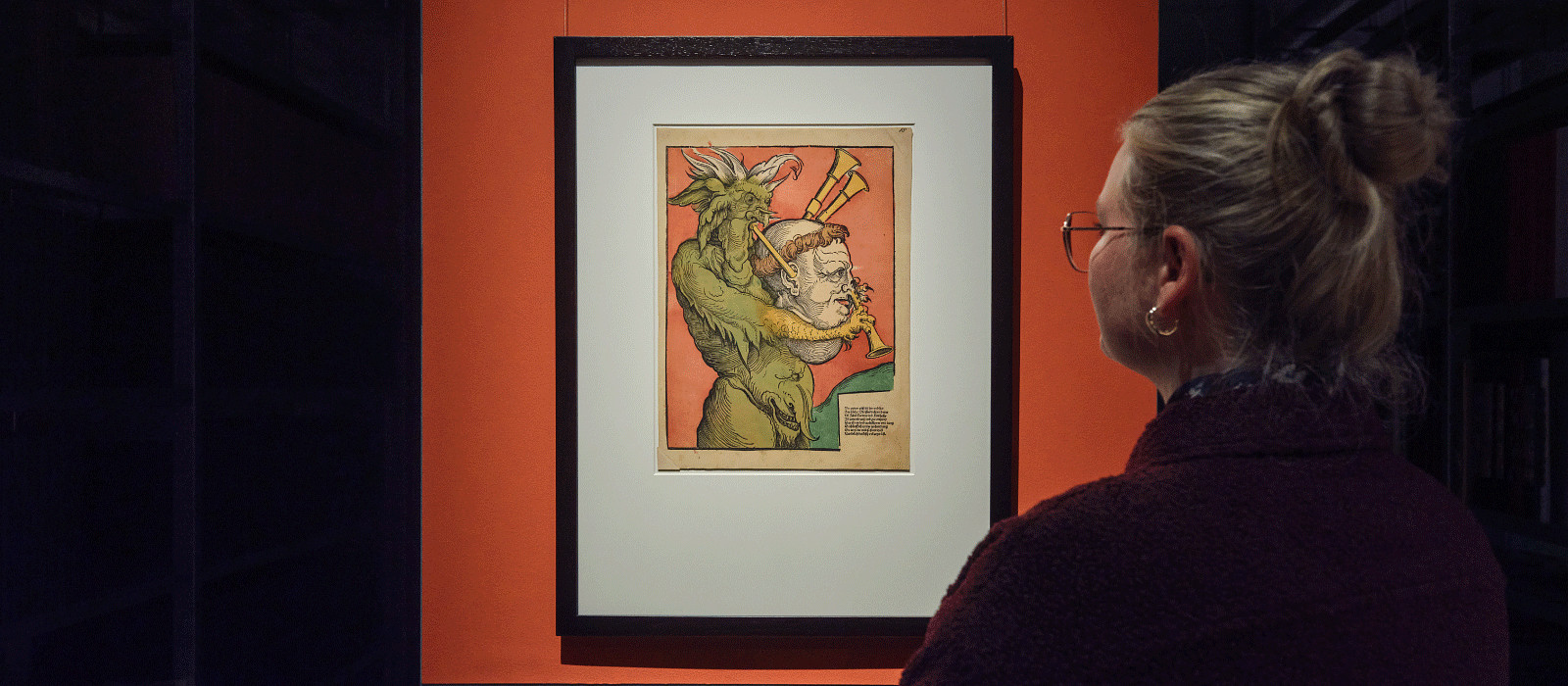
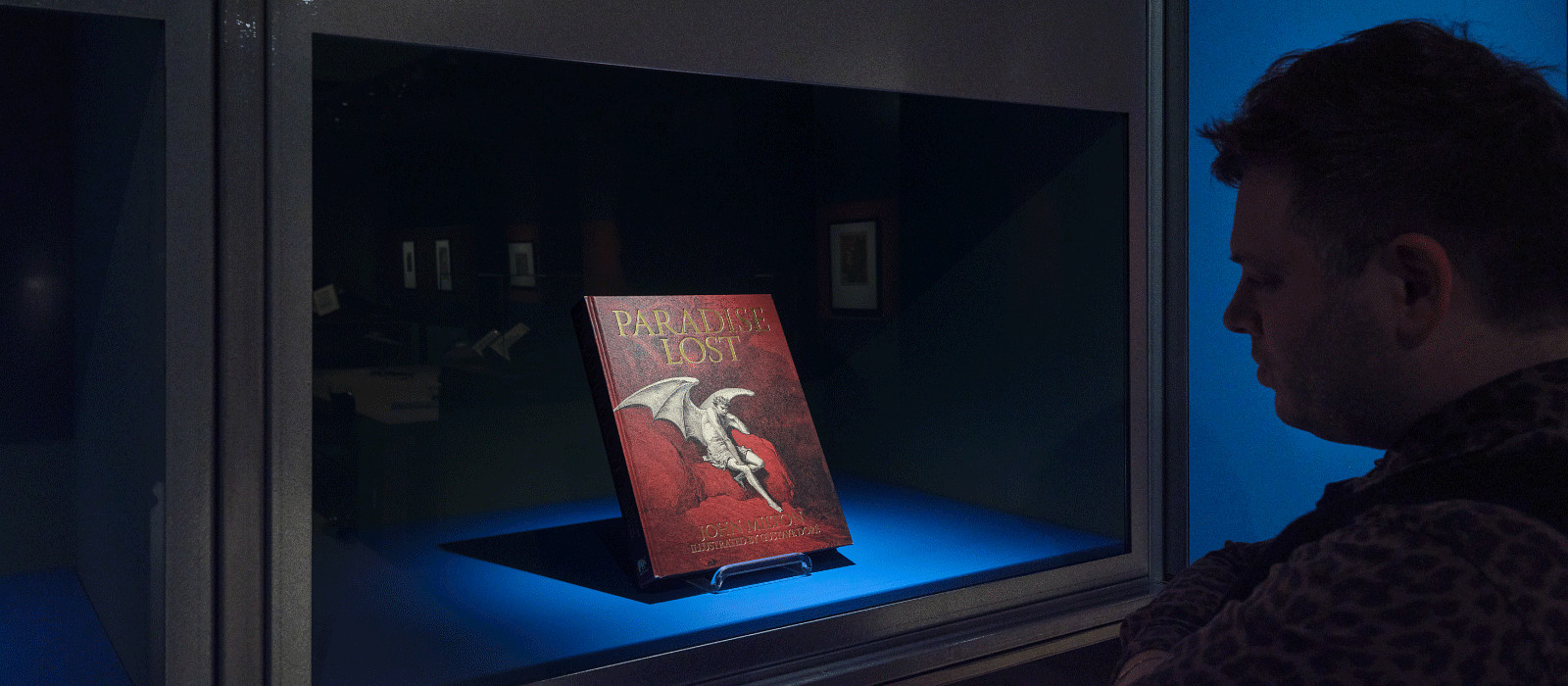
While biblical writings and tales of saints usually clearly defined the image of religious figures, the appearance of the Devil remained surprisingly vague. It was precisely this leeway that fired the imagination of artists: over the centuries, countless depictions have been created in which the Devil is seen in ever new, often grotesque guises. Sometimes he appears horned, sometimes scaly, sometimes animal- or human-like—but always as a threatening projection screen for evil par excellence. In this way, art history reflects the changing fears, moral concepts, and power interests of society.
Instrument of Exclusion
Not only did the exhibition take a look at the wide variety of devilish representations; it also showed how the image of the Devil was used in a targeted manner: anyone who was considered “possessed by the Devil” was quickly ostracized or persecuted. Harnessed by supposed heretics or unpopular groups—the fear of demonic powers served as a powerful means of discipline for centuries. The exhibition shed light on these historical developments and invites visitors to reflect on the role of fear, power, and faith—and on the traces the Devil has left behind in our culture to this day.
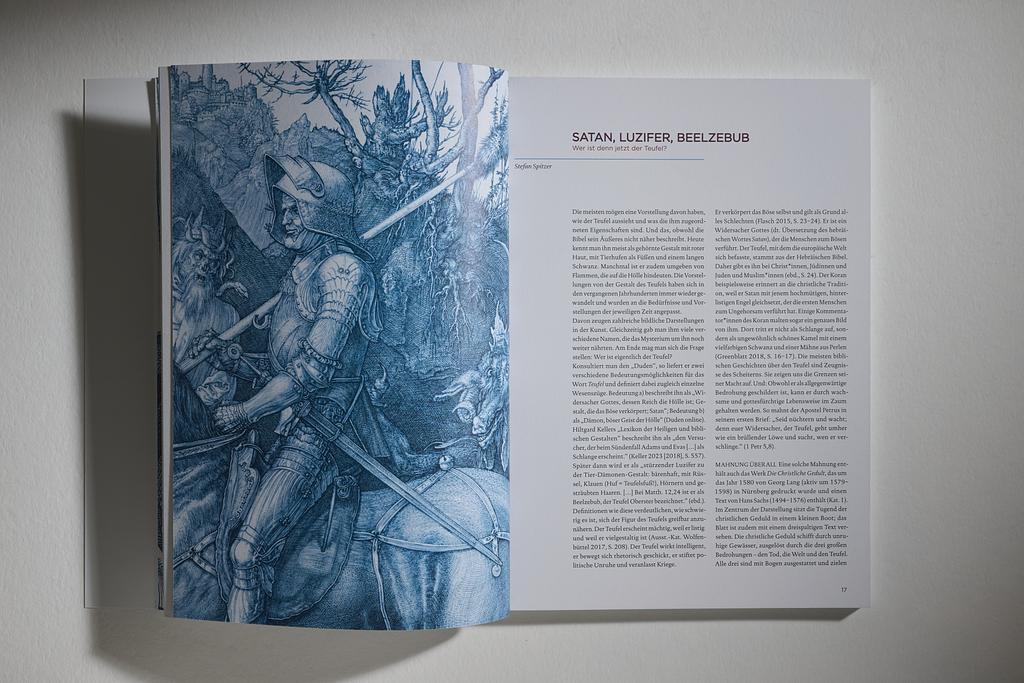
The exhibition catalogue guides readers through the history of the Devil and through his many different representations in art—from his earliest appearances in myths and legends to his significant role in the Western world.
Look inside the catalogue THE DEVIL