We discuss, experiment, sometimes discard ideas, and rethink things—and then we take action: our team thrives on curiosity, dynamism, and dialogue—both among ourselves and with our visitors.
Leadership: Facilitating, Networking, and Thinking Ahead
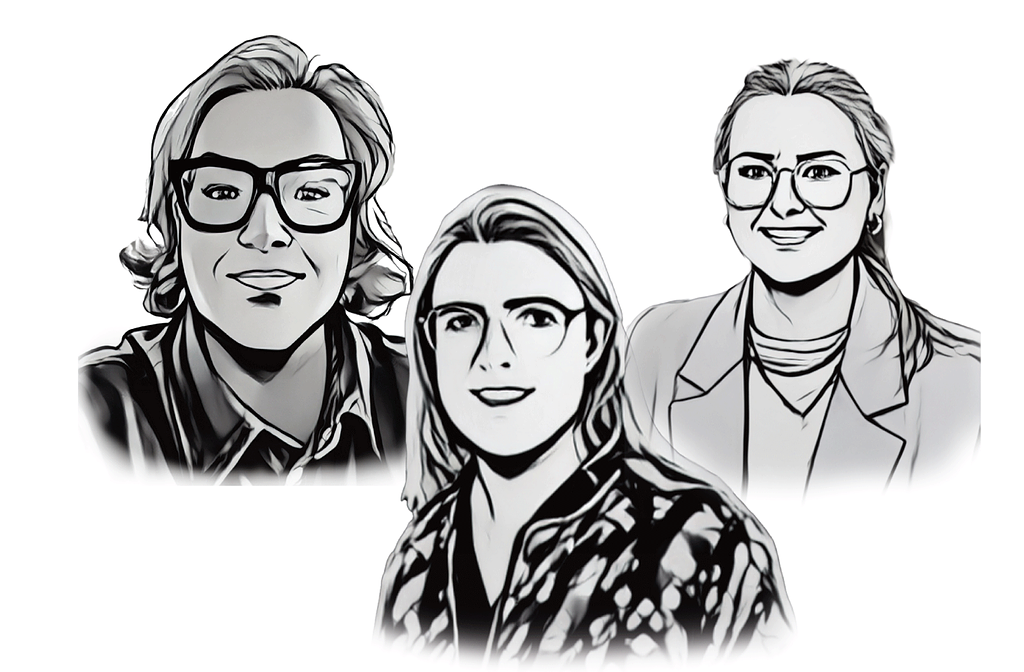
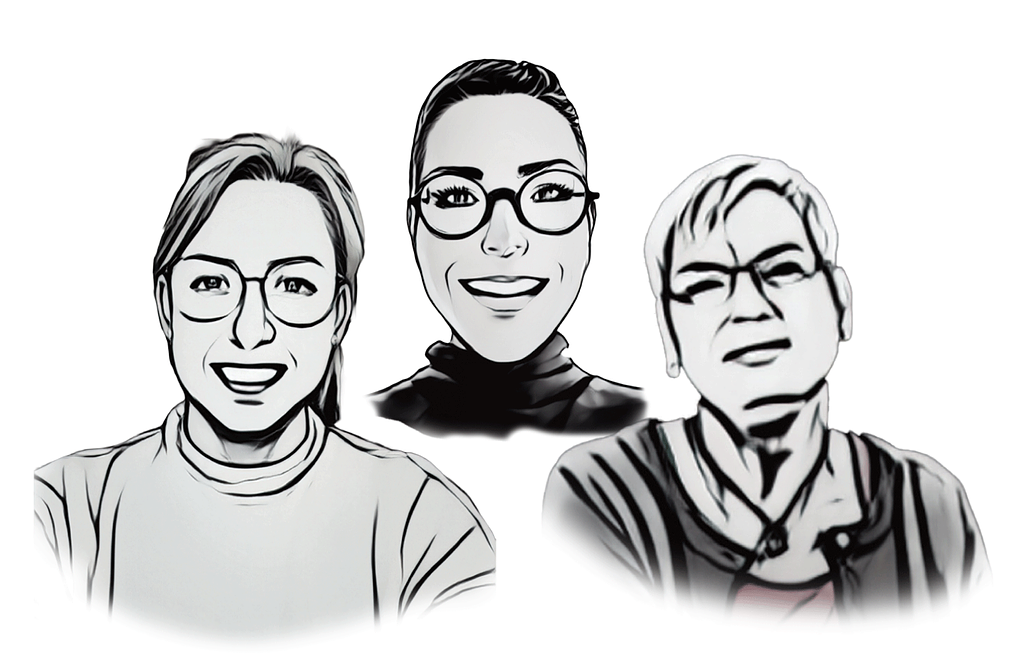
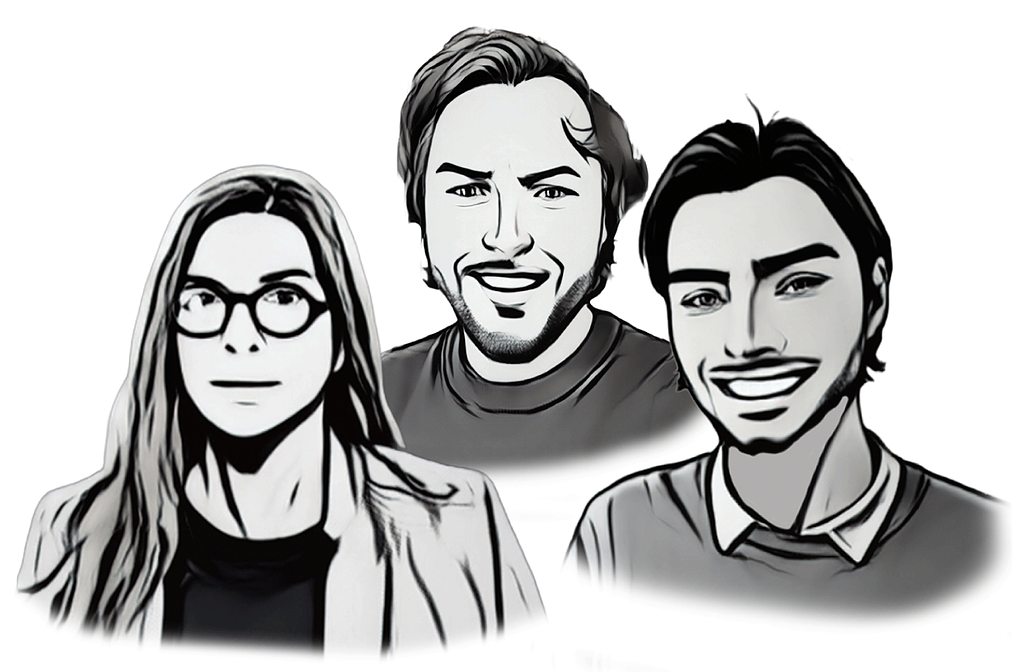
Under the leadership of Dr. Corinna Otto, the relevant guidelines for the Draiflessen Collection have been developed—thematically, strategically, and with vision. Together with the team, she fine-tunes the content orientation, provides impetus for our exhibitions, and constantly thinks ahead in terms of the collection and its communication. Corinna Otto gives the Draiflessen Collection its profile—clear, contemporary, always in line with the essential themes of our time. At her side: her deputy Nicole Roth and team assistant Sophia Baune.
Dr. Corinna Otto, Nicole Roth, Sophia Baune
Communication: Becoming Visible and Inviting
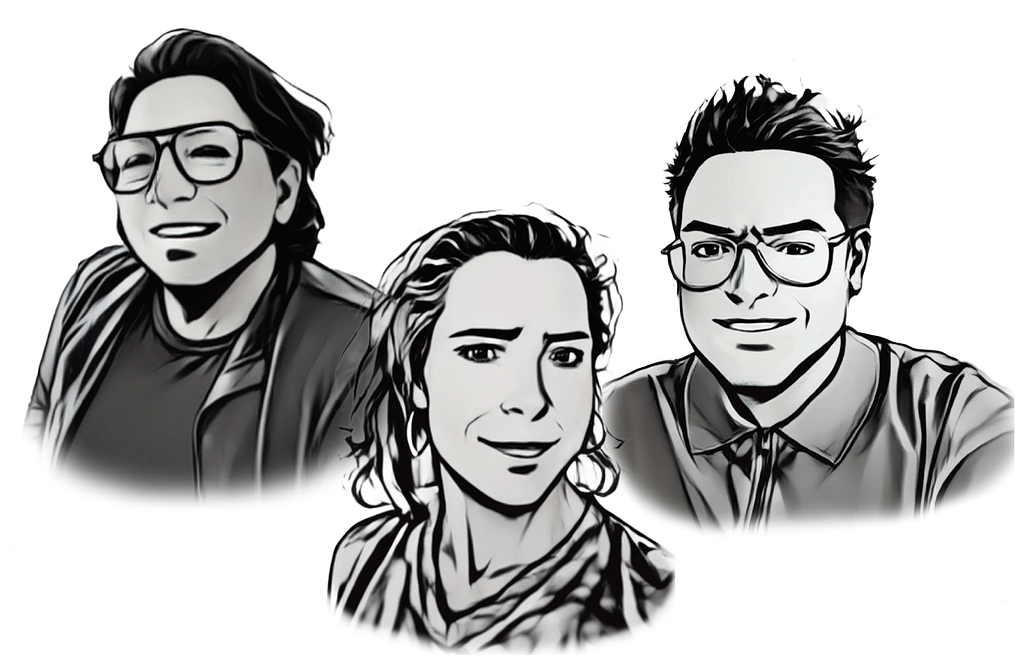
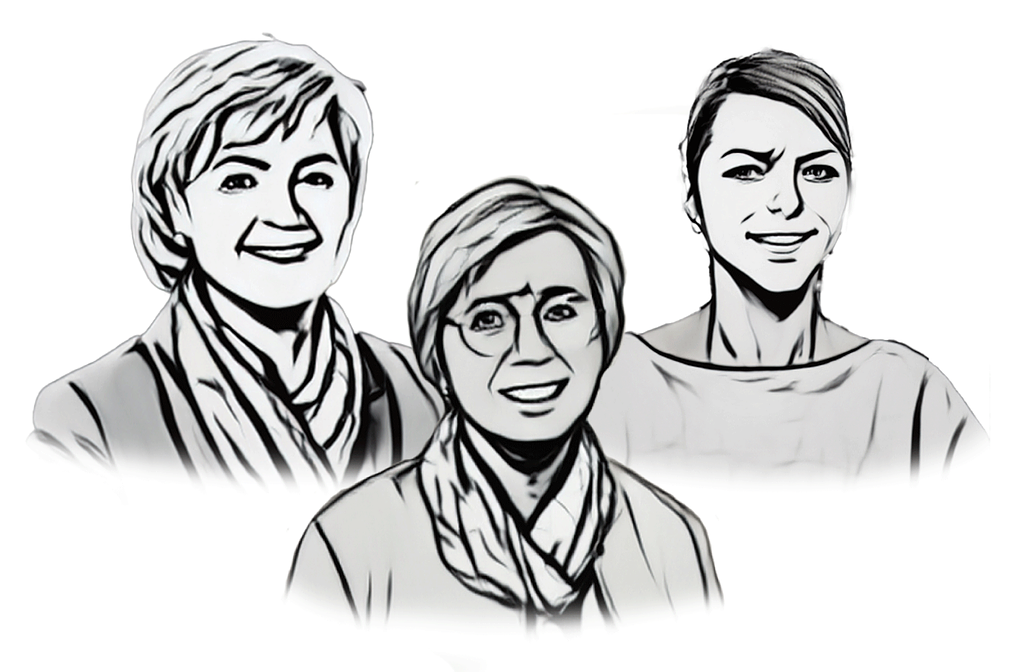
What is developed in-house must be communicated to the outside world: the members of our communications team—Shorena Baliashvili (graphic design), Tanja El Shamsy, and Julian Heitkamp—translate our exhibitions and programs into expressive images and precise messages. Online and offline. Graphics, press relations, social media, and marketing all come together here. It’s not just about reach, but also about resonance and dialogue—in a language that makes complex content accessible to as many people as possible. Anyone who finds us should feel addressed and invited.
Shorena Baliashvili, Tanja El Shamsy, Julian Heitkamp
Collection and Archive: Researching, Preserving—and Reexamining
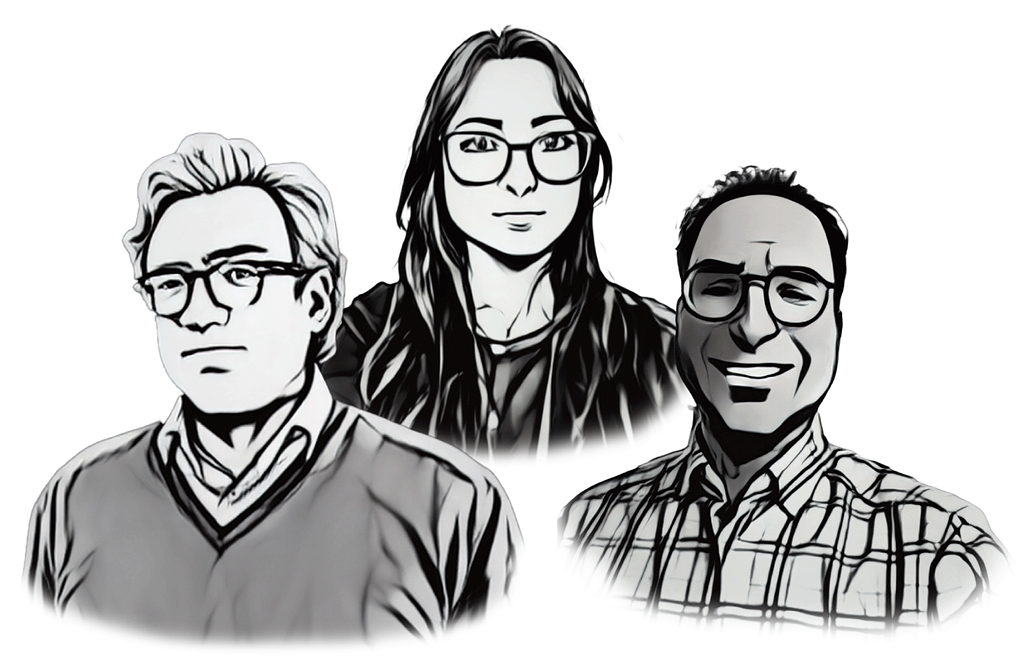
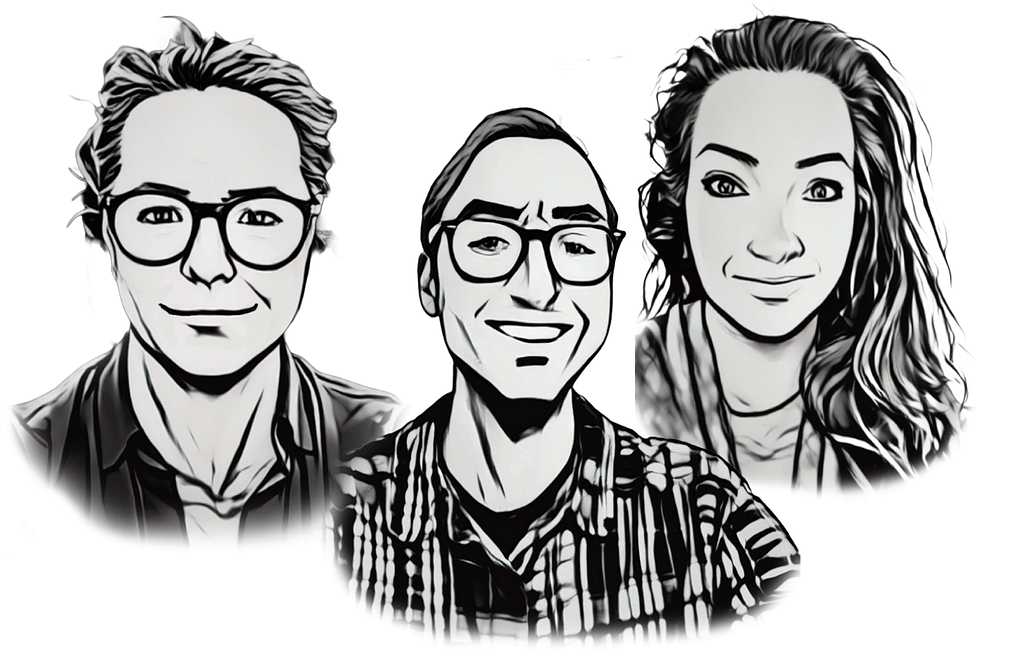
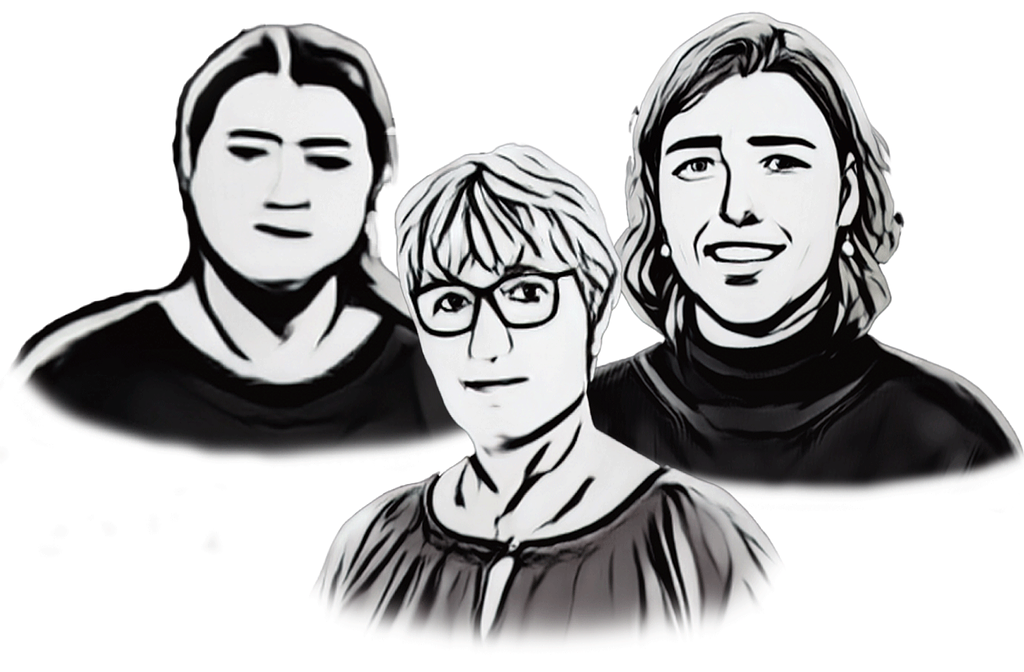
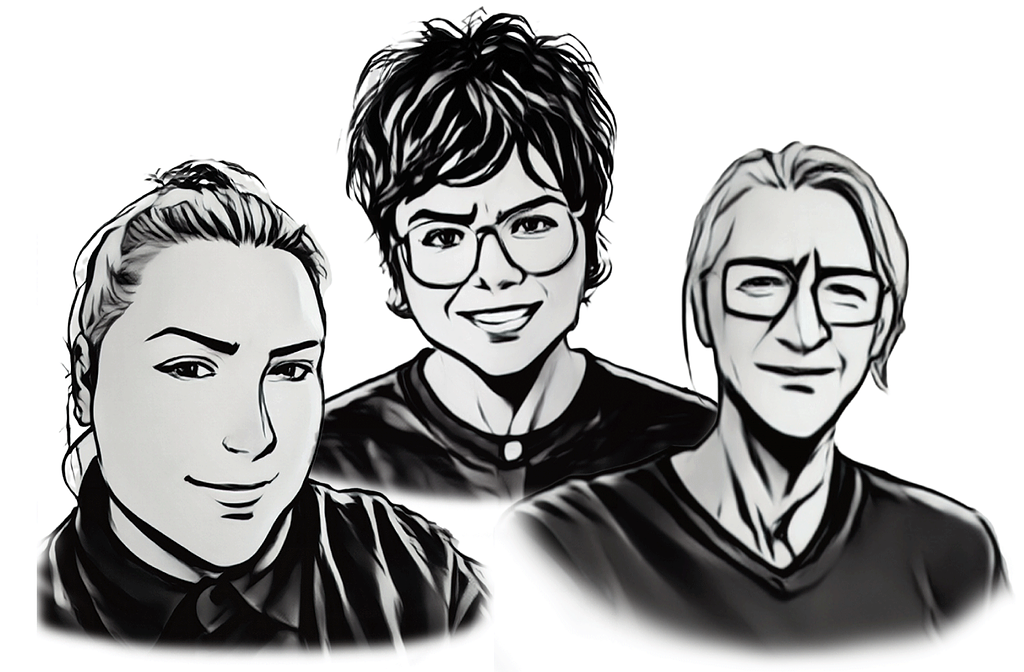
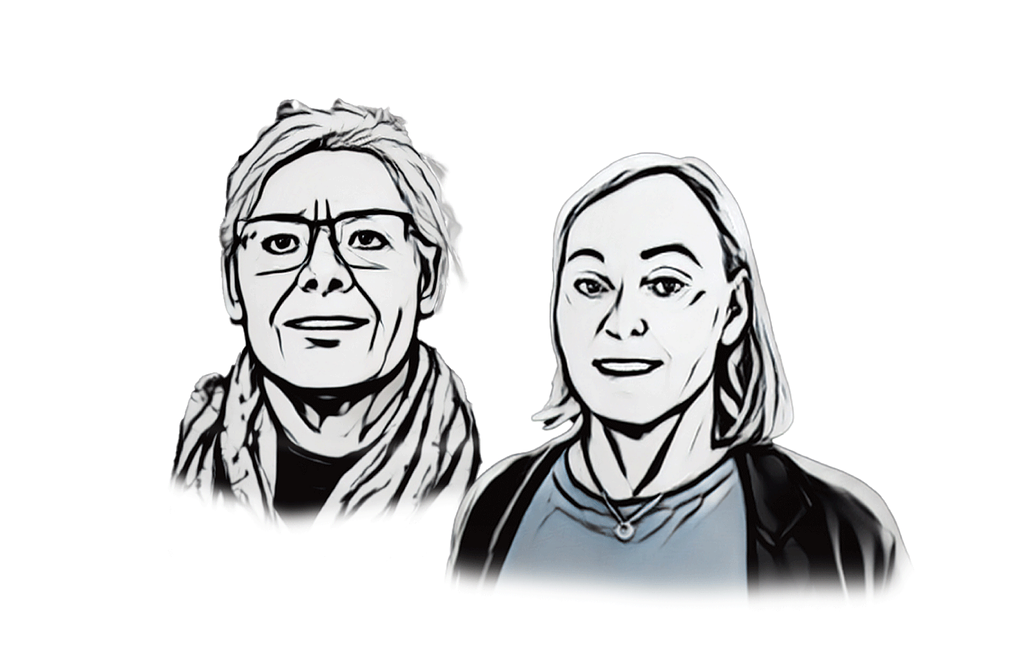
The team in the Collection and Archive catalogues, researches, and preserves our holdings—and constantly reexamines these materials. Kai Bosecker (family and company history), Dr. Julia Cwojdzinski (collection management), Jens Brokfeld (archive), and Iris Ellers and Guido Scholten (Liberna Collection) work together with Ruth Rasche (loan management) to ensure that our objects are not only preserved, but also given context and made accessible and tangible in thematic exhibitions: the archive thus also becomes a space for reflection. Johanna Schweppe (intern, archive and collection), Bianca Gabbe (documentation and archive), archival assistants Annegret Buller, Nina Oltmanns, Dorothea Paetzke, and Andrea Strötzel play a significant role in this.
Kai Bosecker, Dr. Julia Cwojdzinski, Jens Brokfeld
Iris Ellers, Guido Scholten, Ruth Rasche
Johanna Schweppe, Bianca Gabbe, Annegret Buller
Nina Oltmanns, Dorothea Paetzke, Andrea Strötzel
Research & Exhibitions: Thinking about Art in Space and Making It Tangible
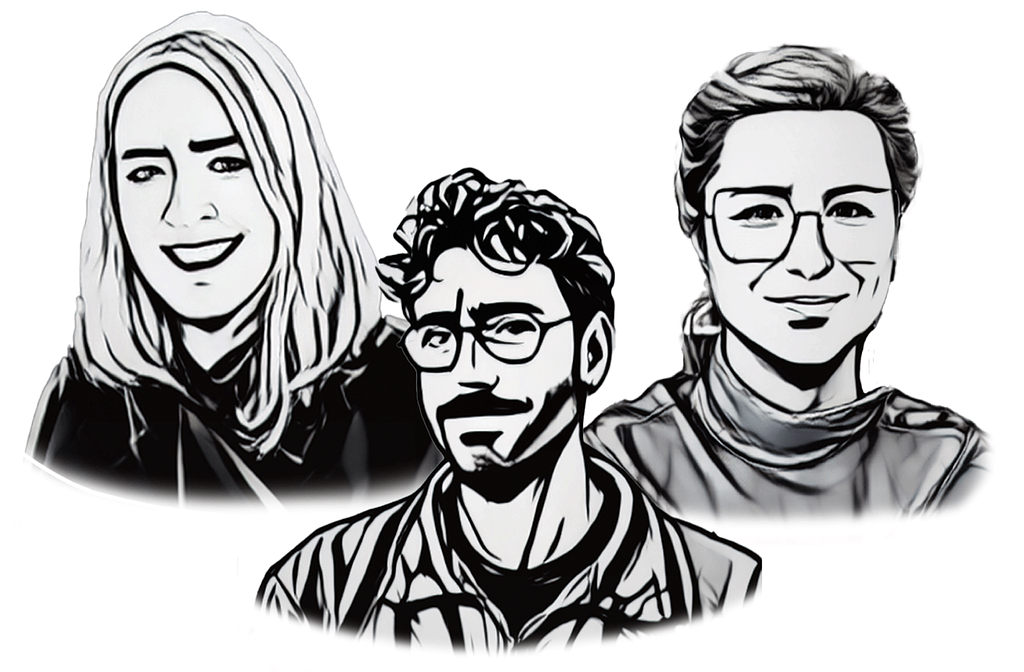
Birte Hinrichsen, Olesja Nein, Nicole Roth, Dr. Barbara Segelken, and Dr. Maria Spitz develop topics, questions, and ever-new perspectives on art through scholarly research. The curators prepare complex contexts in such a way that they can be experienced physically and emotionally in the Main Space, which has over 900 m² of exhibition space. For them, curatorial work means not only conducting precise research, but also systematically selecting exhibits and staging them in a way that appeals to the senses. Of course, they never work alone: they are supported by the curatorial assistants David Bäcker and Anja Leshoff. And from the very beginning, design, architecture, education, communication, and external partners are part of the process. Exhibitions are teamwork—from the very first idea to the final lighting adjustment on a work of art.
Birte Hinrichsen, Olesja Nein, Dr. Barbara Segelken
Dr. Maria Spitz, David Bäcker, Anja Leshoff
Museum Education: Opening Spaces for Your Own Questions
The education department develops formats that open the way to art rather than explaining it, programs that turn a visit to the museum into an active experience. Always with the awareness that art can only have an effect in dialogue. Tanja Revermann, Stefan Spitzer, and volunteer Jonas Schoster focus on exchange, participation, and changing perspectives. Guided tours, workshops, and participatory formats are aimed not only at different age groups of visitors, from children to retirees, but also at very different needs—basically, at anyone who wants to (re)discover and think about art. Annette Nagelmann-Knuf, who works with the curators to design excursions to accompany the exhibitions, completes the team.
Tanja Revermann, Stefan Spitzer, Jonas Schoster
Reception: Welcoming and Meeting Visitors
Every visit to the museum begins at our reception desk—with a warm welcome and openness to any questions. Annette Nagelmann-Knuf (overall coordination), Sigrid Reichel, Verena Tattersall, Annette Vornbäumen, and Christine Wiemers are always the hosts for our visitors. They coordinate, organize, improvise at times—and they create atmosphere. The reception is our interface with the public. Here, a building becomes a place of encounter.