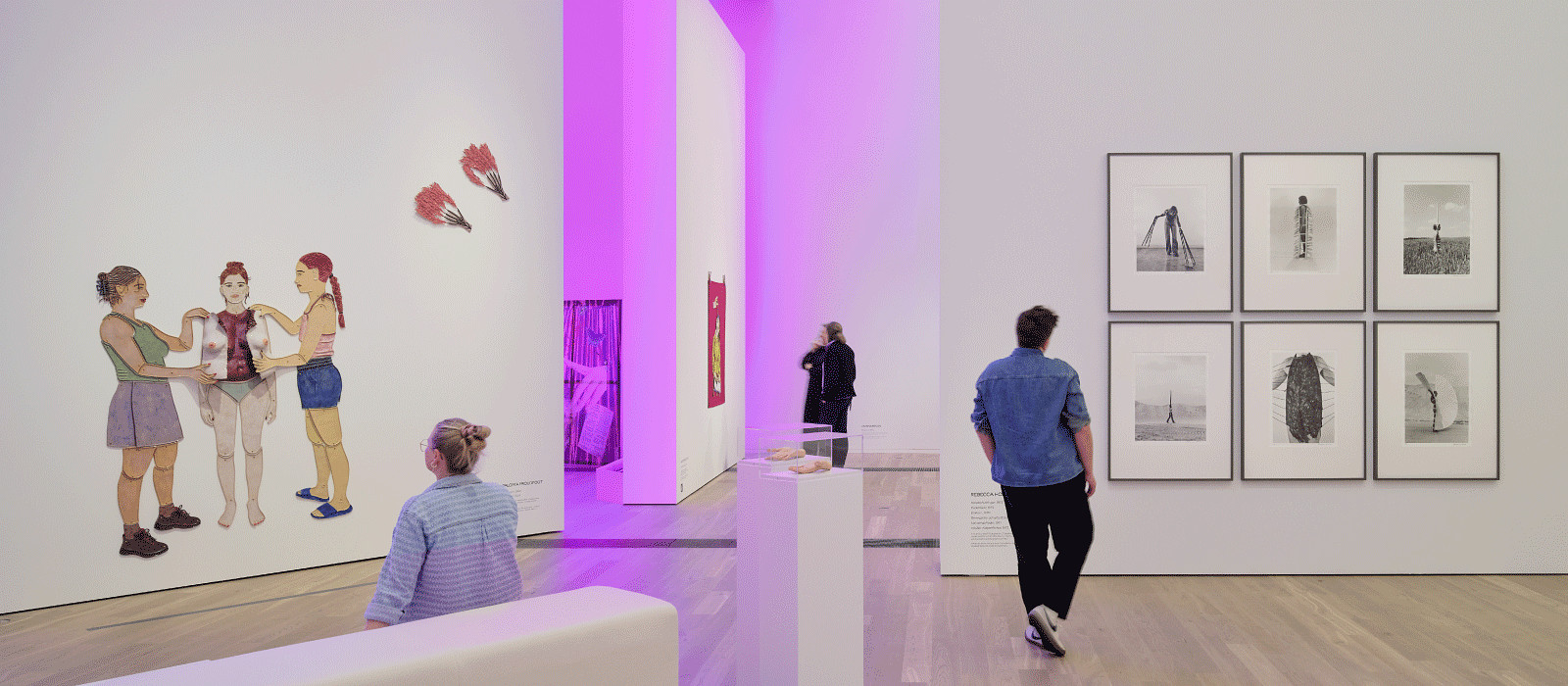
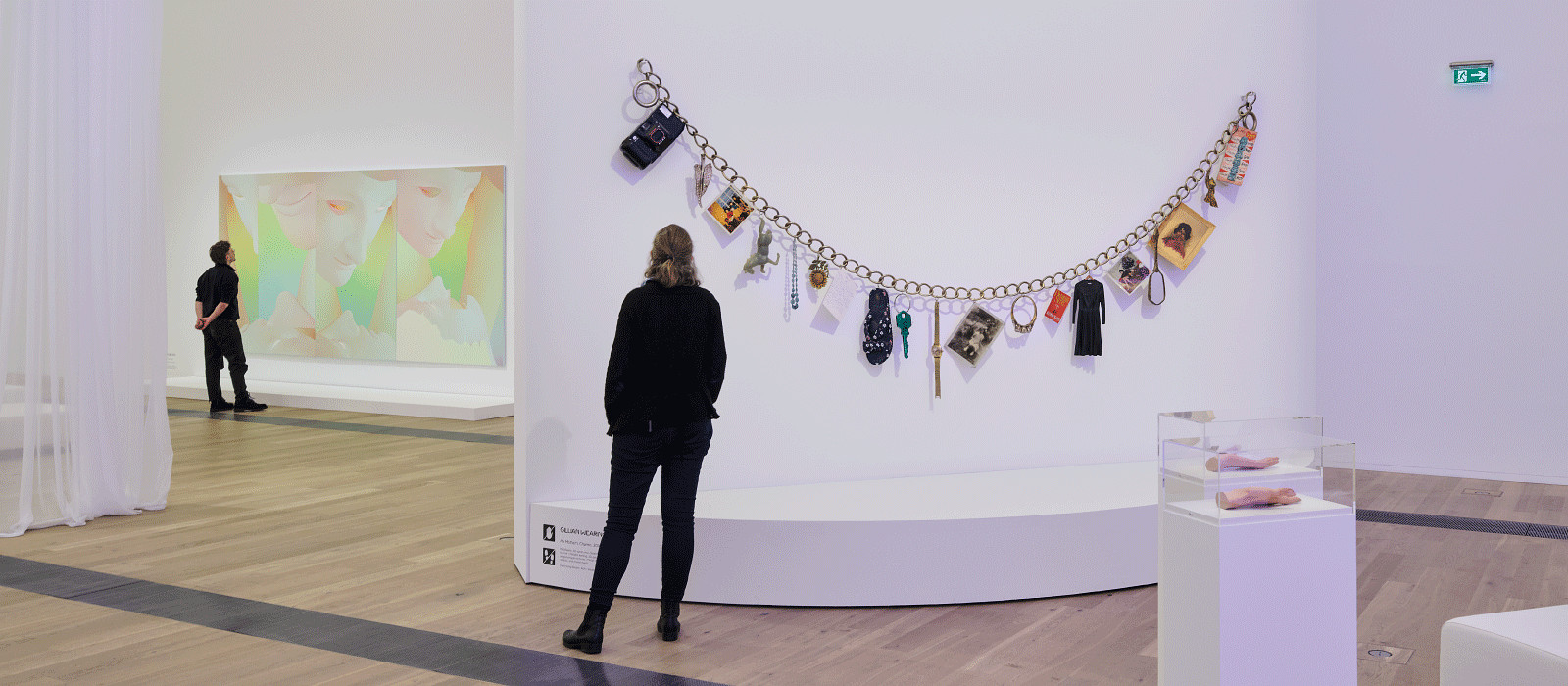
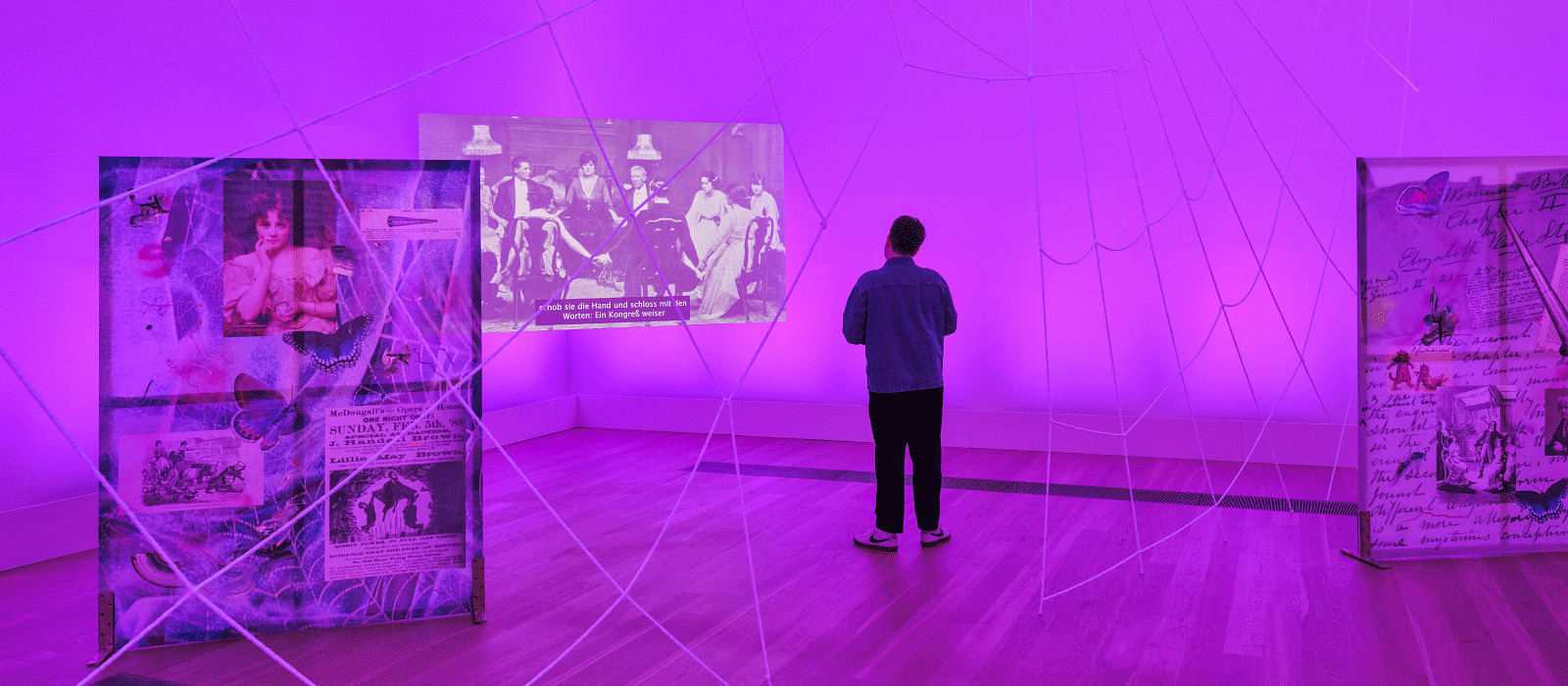
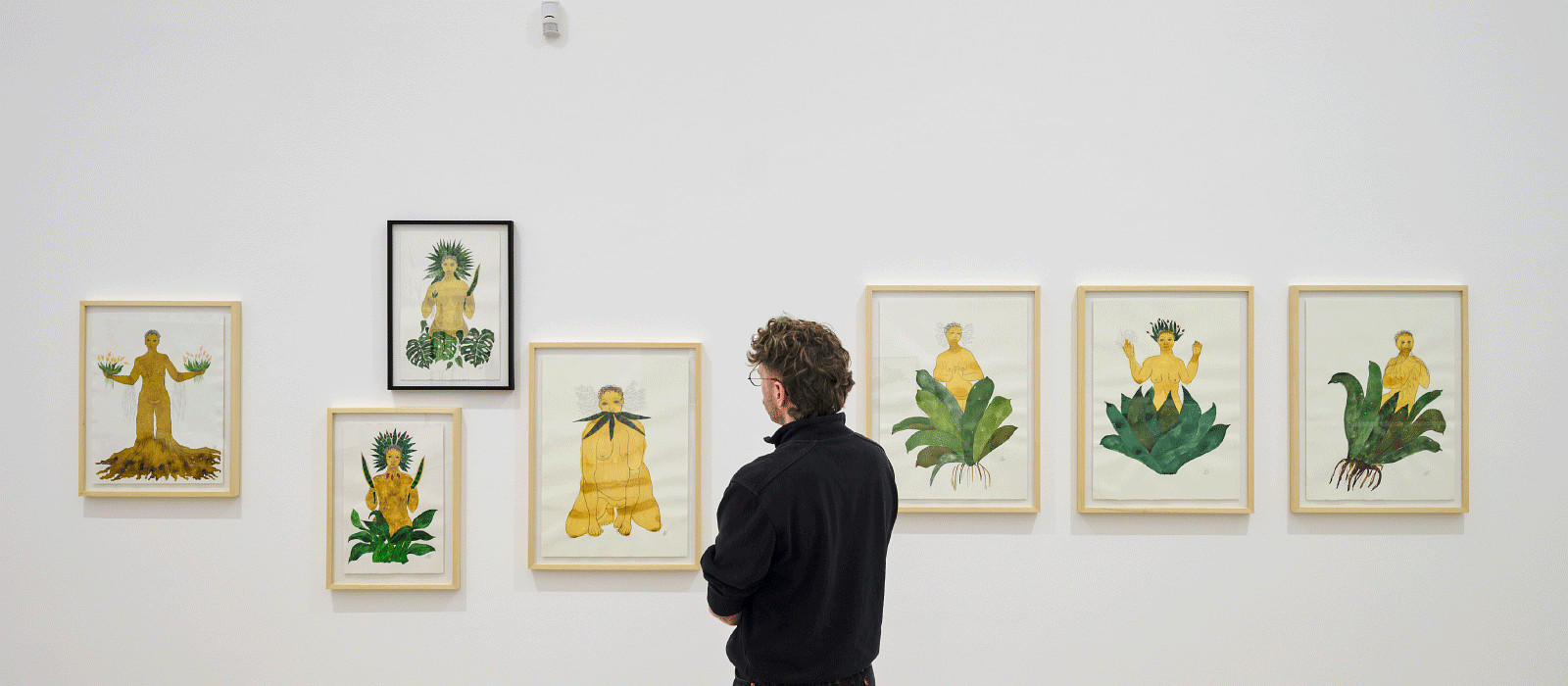
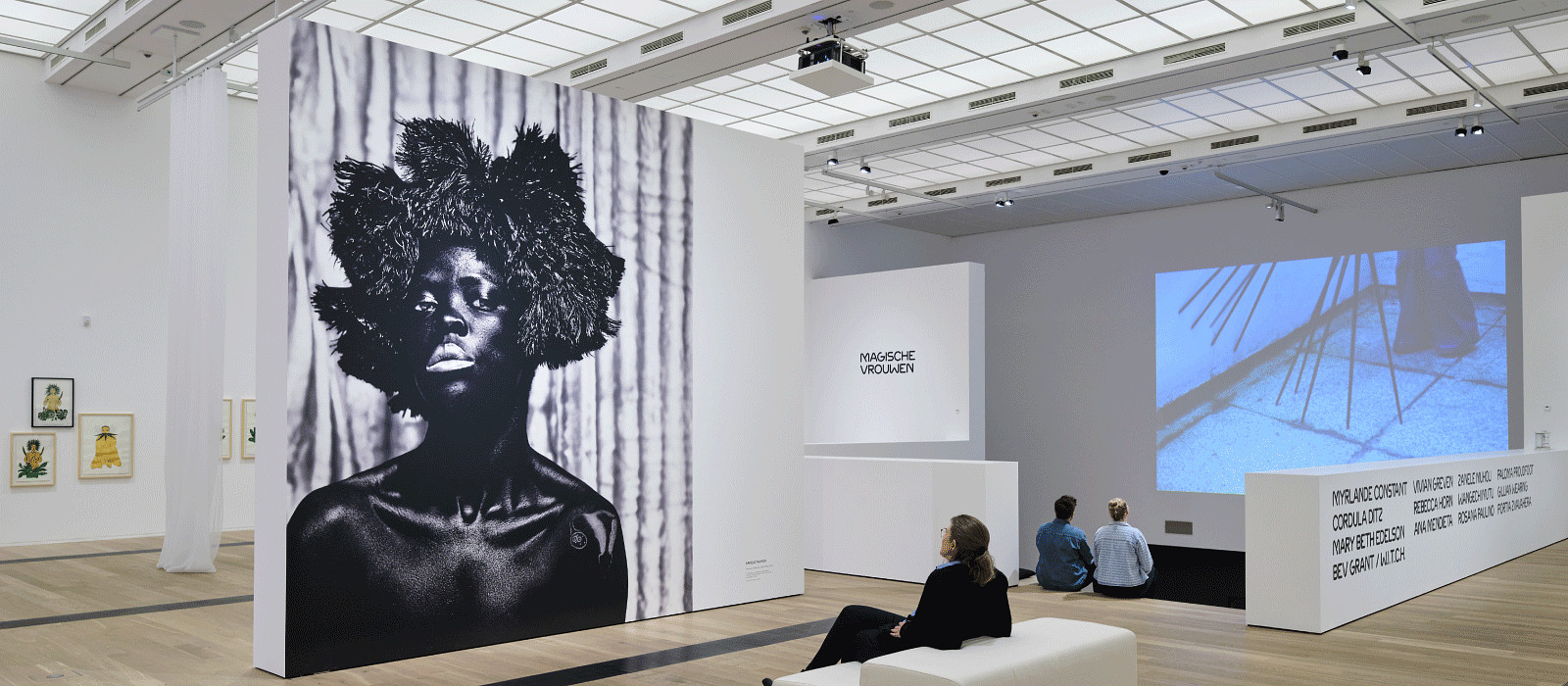
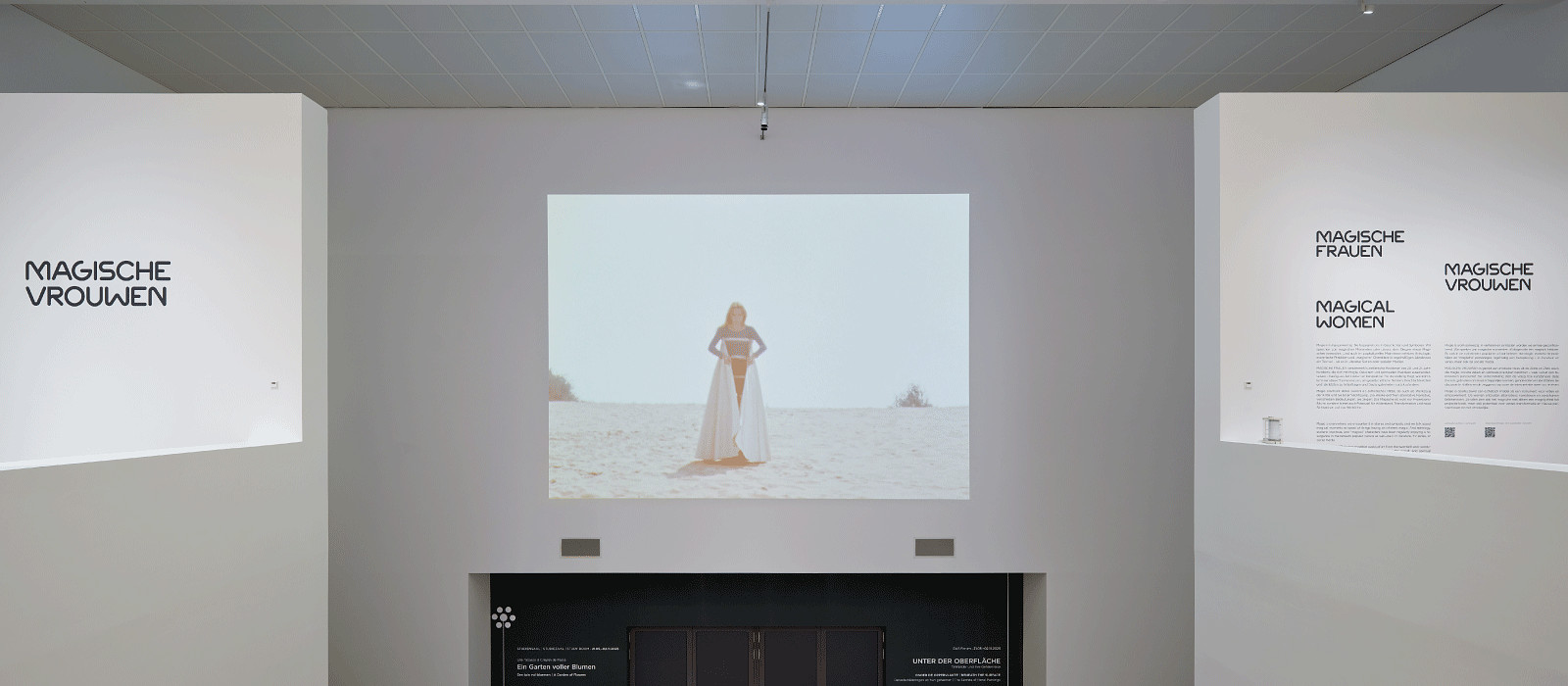
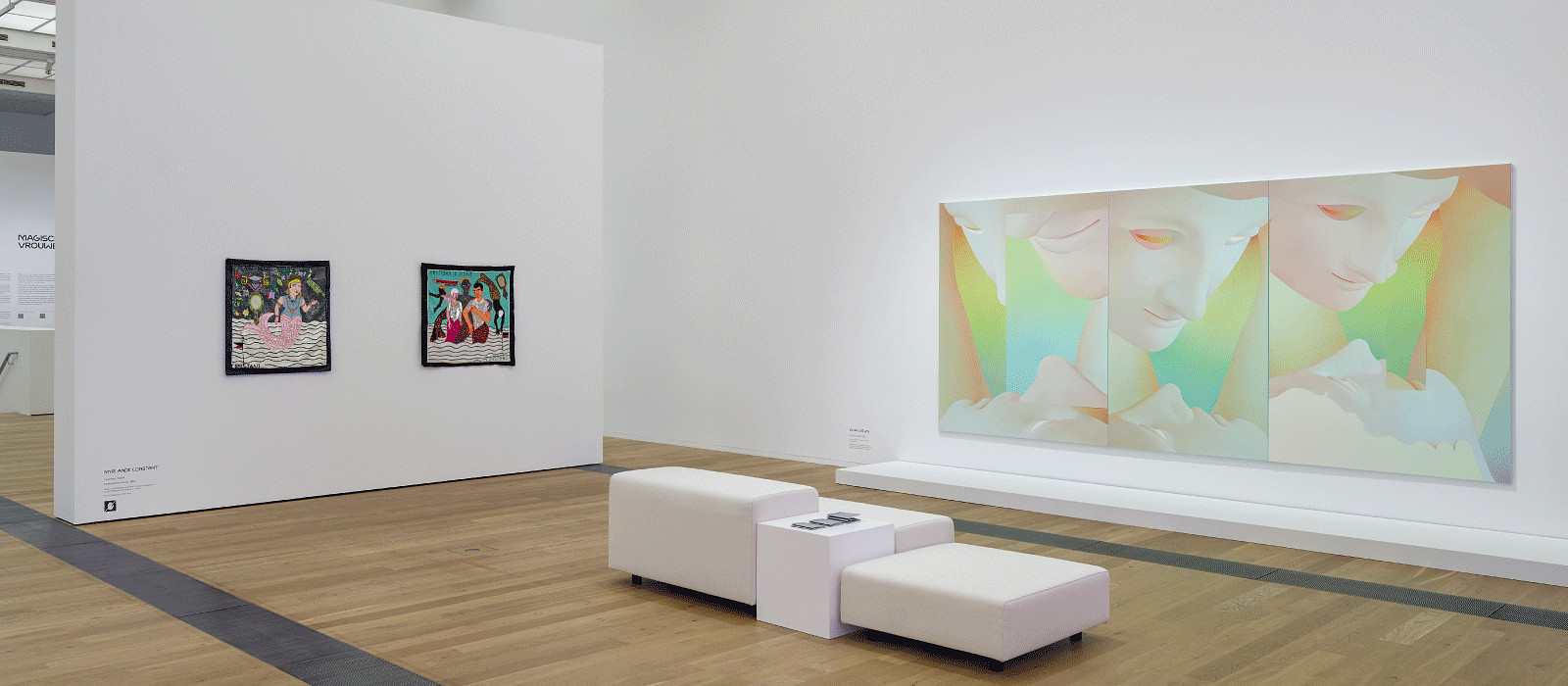
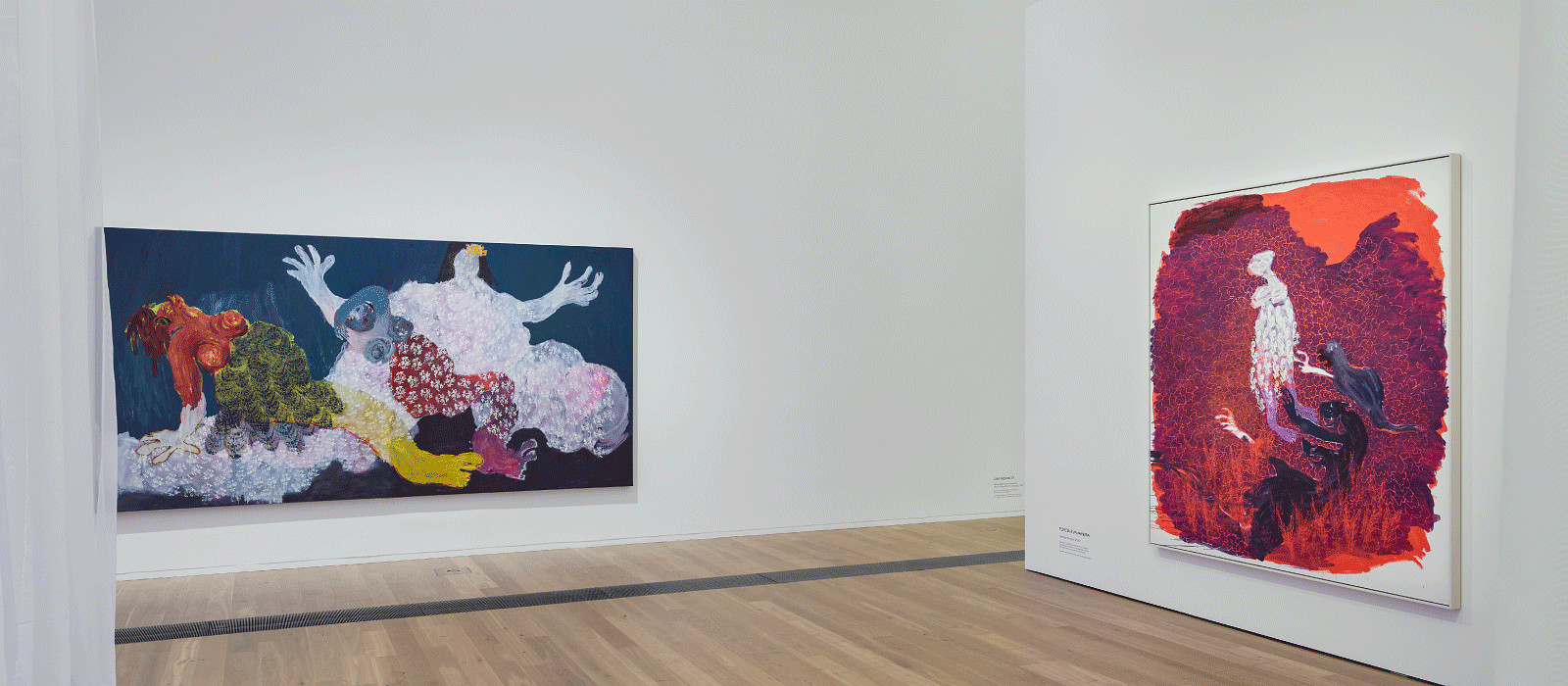
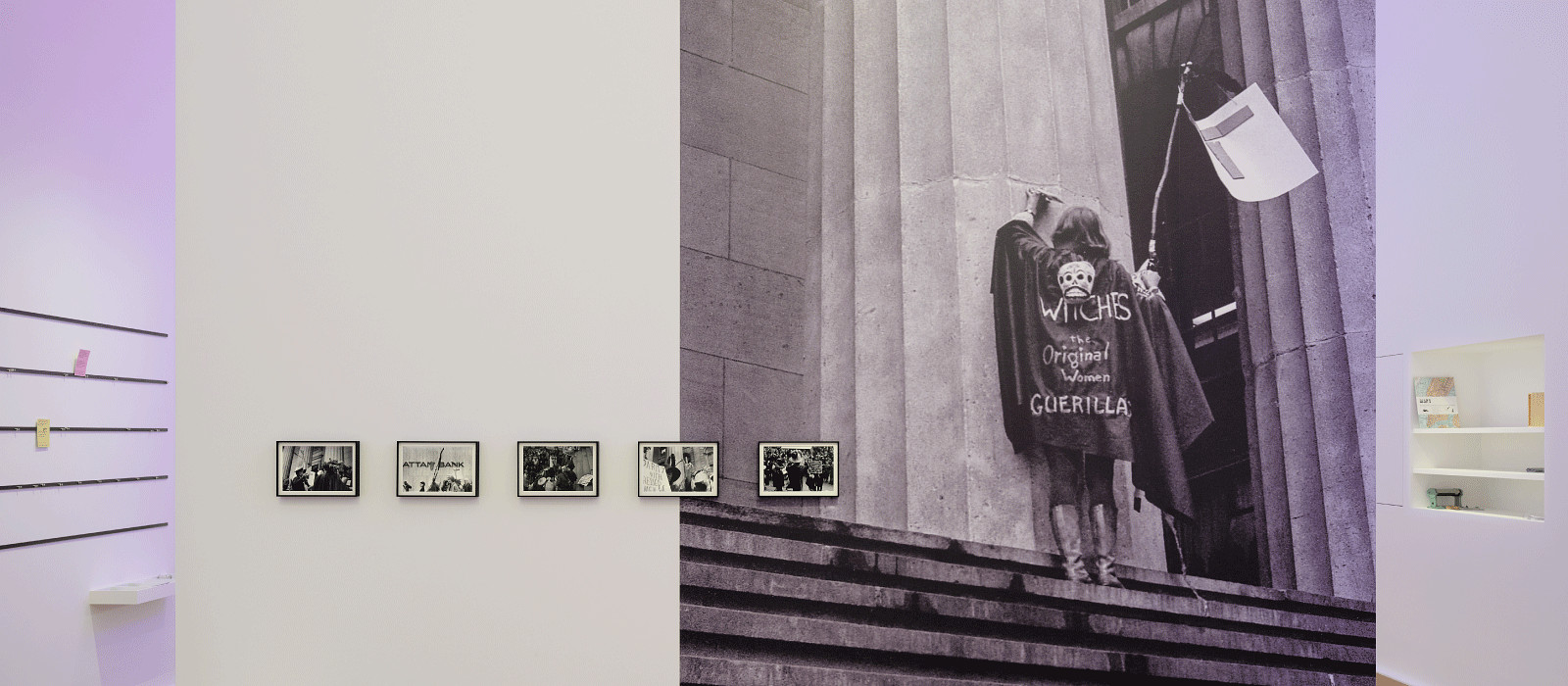
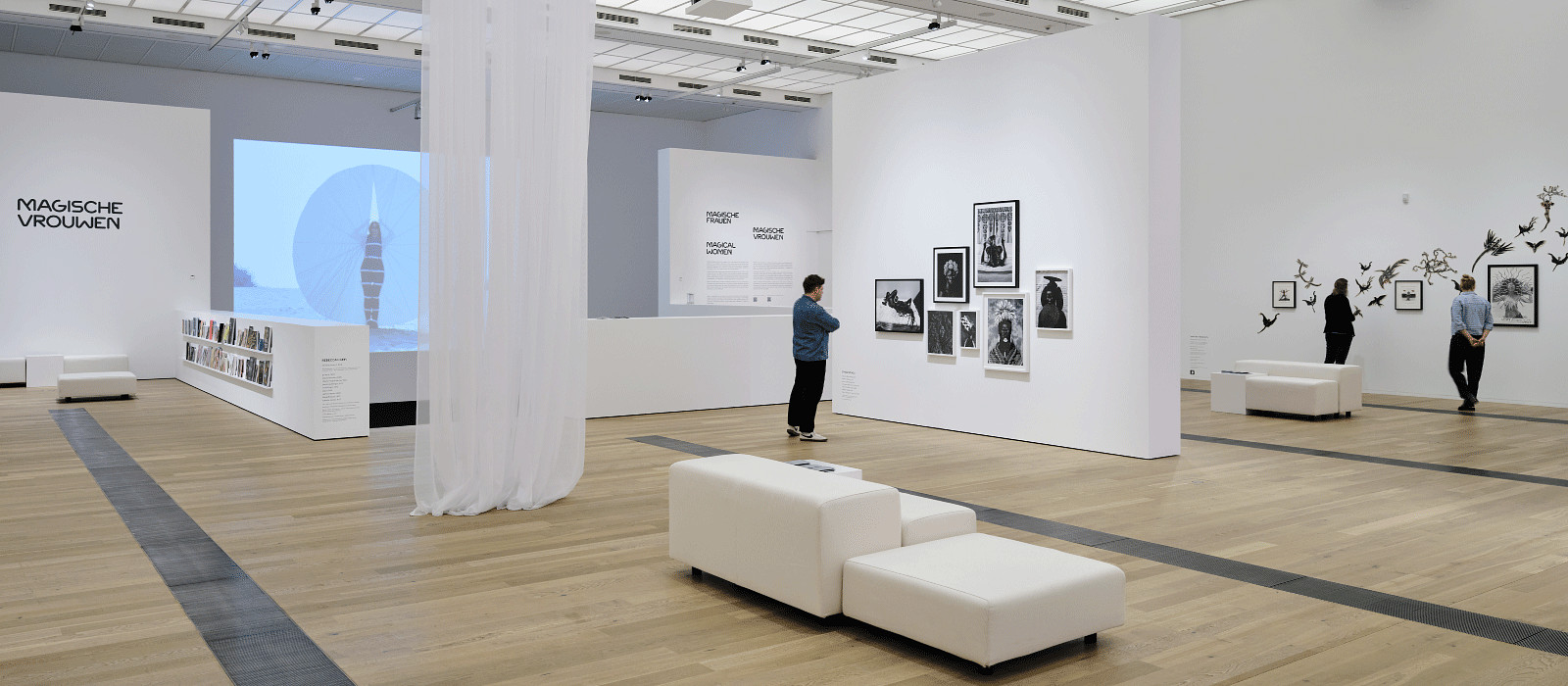
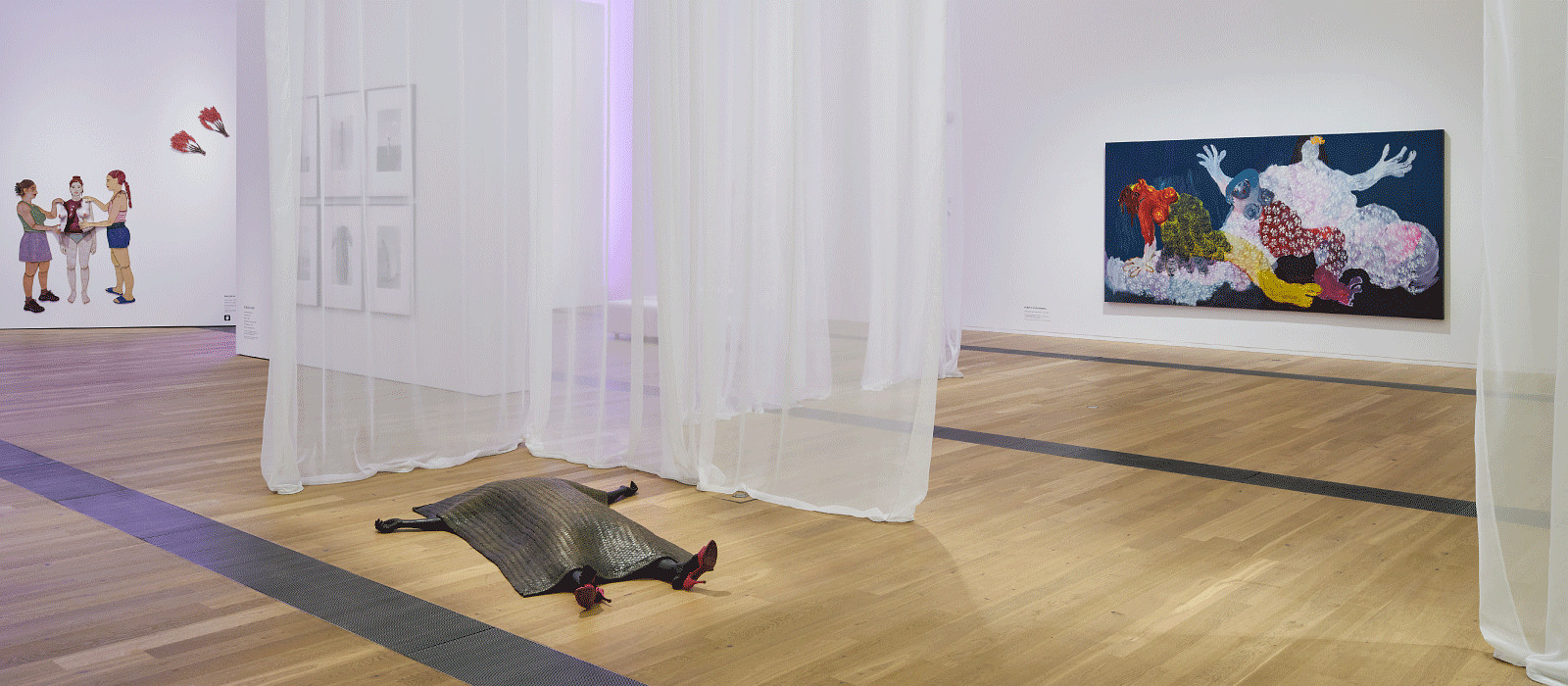
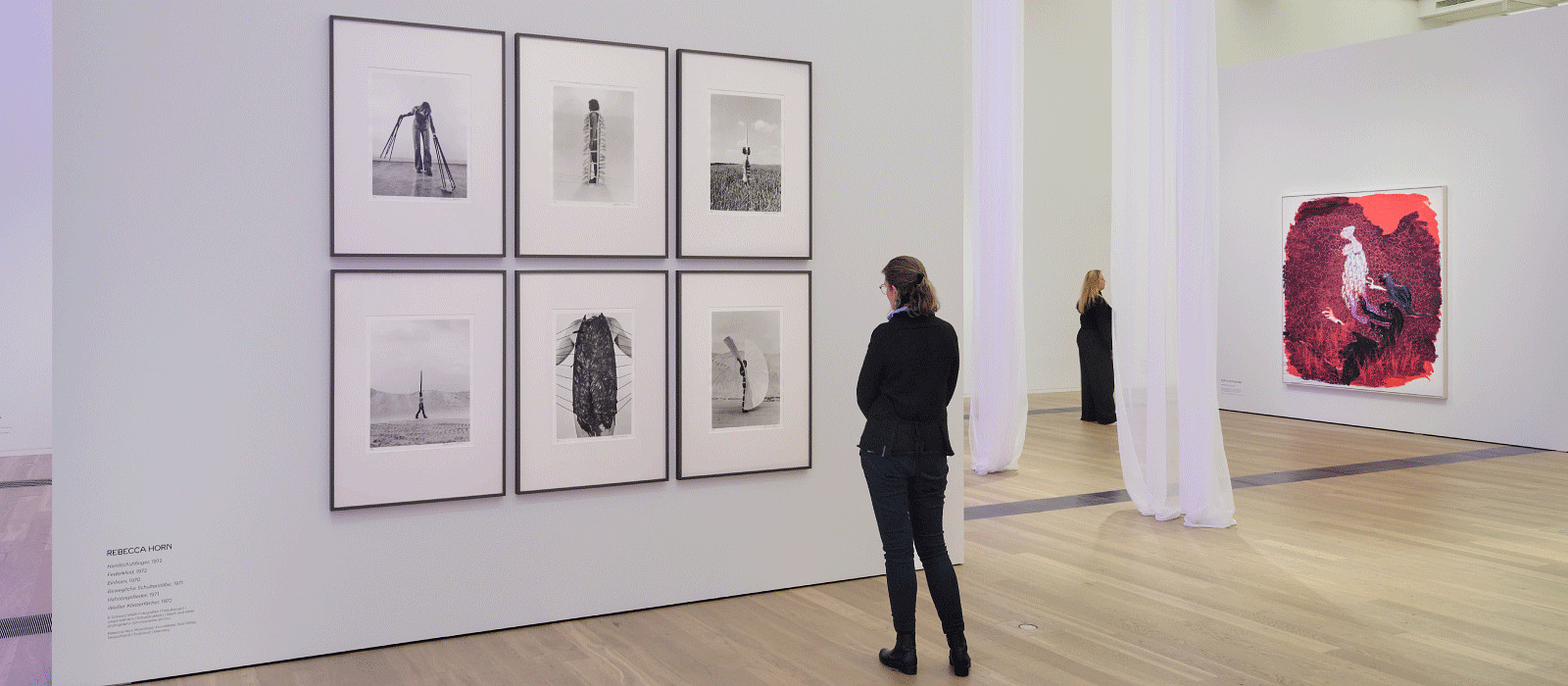
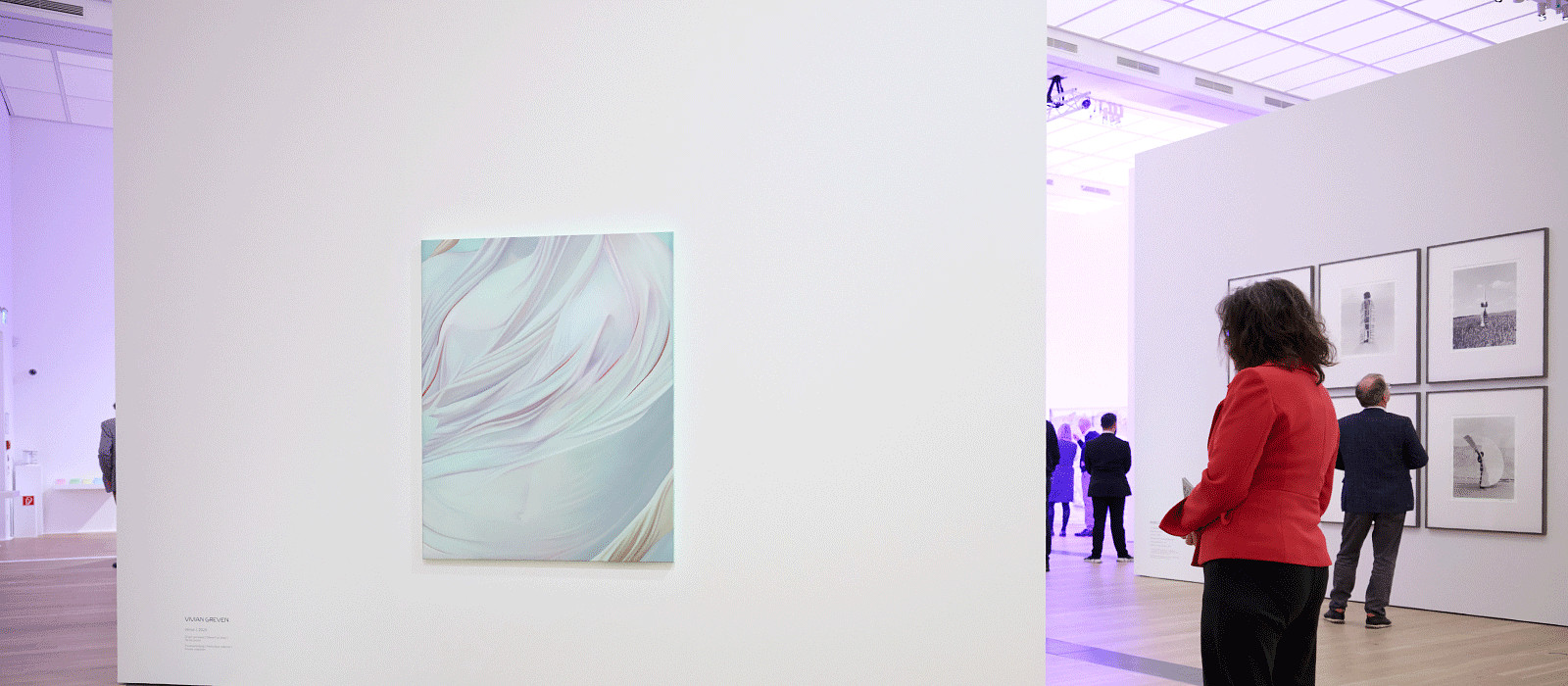
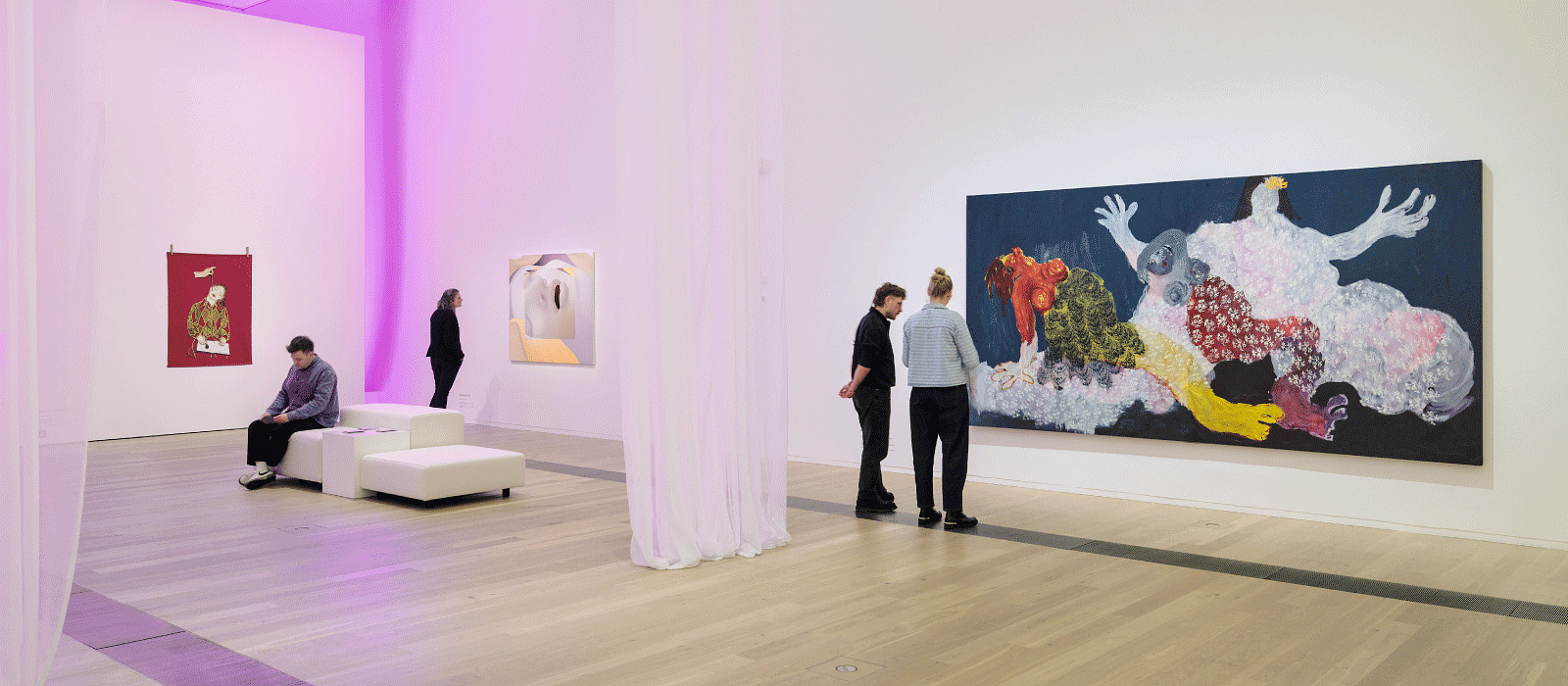
The exhibition explored the themes of magic, the occult, and spirituality. It brought together artistic positions that embraced these themes in their practice and used them as tools. Often, this is done to critique social structures from a feminist perspective. Consequently, many topics that affect us were addressed repeatedly throughout the exhibition. These include aspects of physicality, such as: What is femininity? What is gender? What are normative forms? What is patriarchy? How can women find their place in society, express criticism, and create space for themselves? At the same time, the artworks revealed a strong postcolonial view of a globalized world—and of a globalized art world.
“The topic is highly relevant. This was evident from the positive response of visitors throughout the event and from my conversations with them.”Birte Hinrichsen | Curator
Birte Hinrichsen is an art historian and has been a curator at the Draiflessen Collection since 2021. In addition to the material turn and cultural turn, her research interests include discourse on gender and the body, and on representations of nature in art and museums.
My thoughts on the exhibition operate on different levels. First, this topic was extremely important to me personally, and I am very happy that I was able to bring it to life at the Draiflessen Collection. I was particularly pleased that the topic is highly relevant, which is also a positive result for the museum. This was evident from the high visitor response throughout the exhibition's duration. Conversations with visitors, including school groups, who found points of reference in the exhibition on current topics reinforced my belief that the exhibition holds strong relevance.
The Missing Link
The exhibition fits with the annual theme in that it highlights topics that are not particularly present in our everyday lives. Rather, they are ridiculed or criticized. Aspects such as superstition, prediction of the future, and occult practices are explored. These are completely different religions, figures, and roles that are not familiar to us in the Eurocentric cultural sphere. Through the exhibition, I have attempted to bridge this gap on various levels and to point out connections.
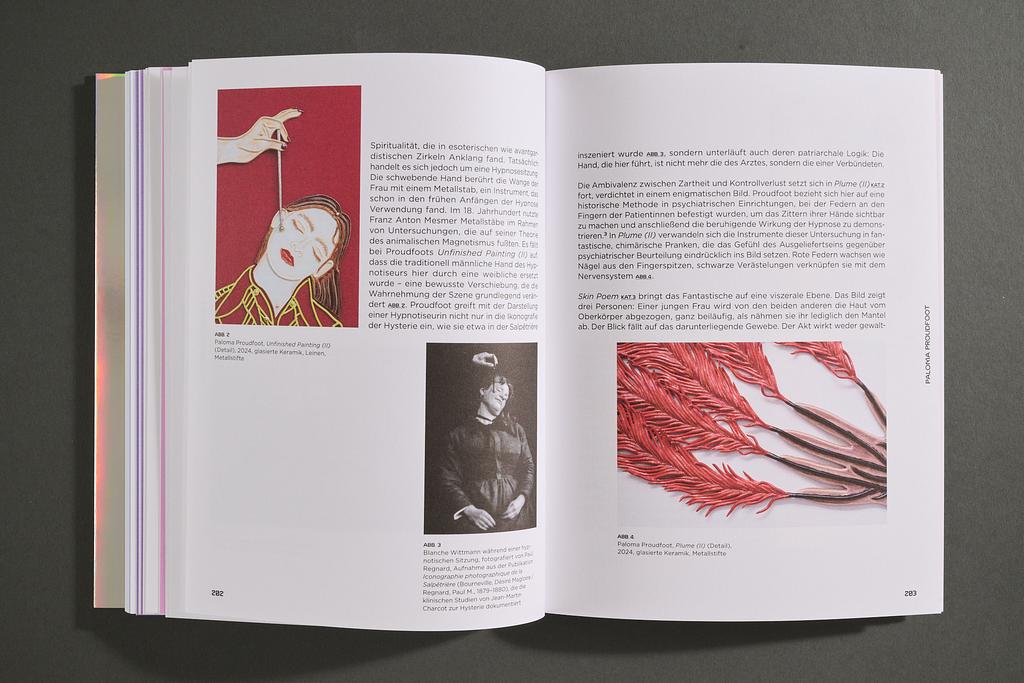
The catalogue is a must-have at a time when occult motifs and rituals are making a comeback in mainstream pop culture. Whether witch, seer, or high priestess—femininity and magic are inextricably linked in a wide variety of cultures. Artists take up this ancient tradition in ambivalent images, asking questions and reclaiming interpretive authority.