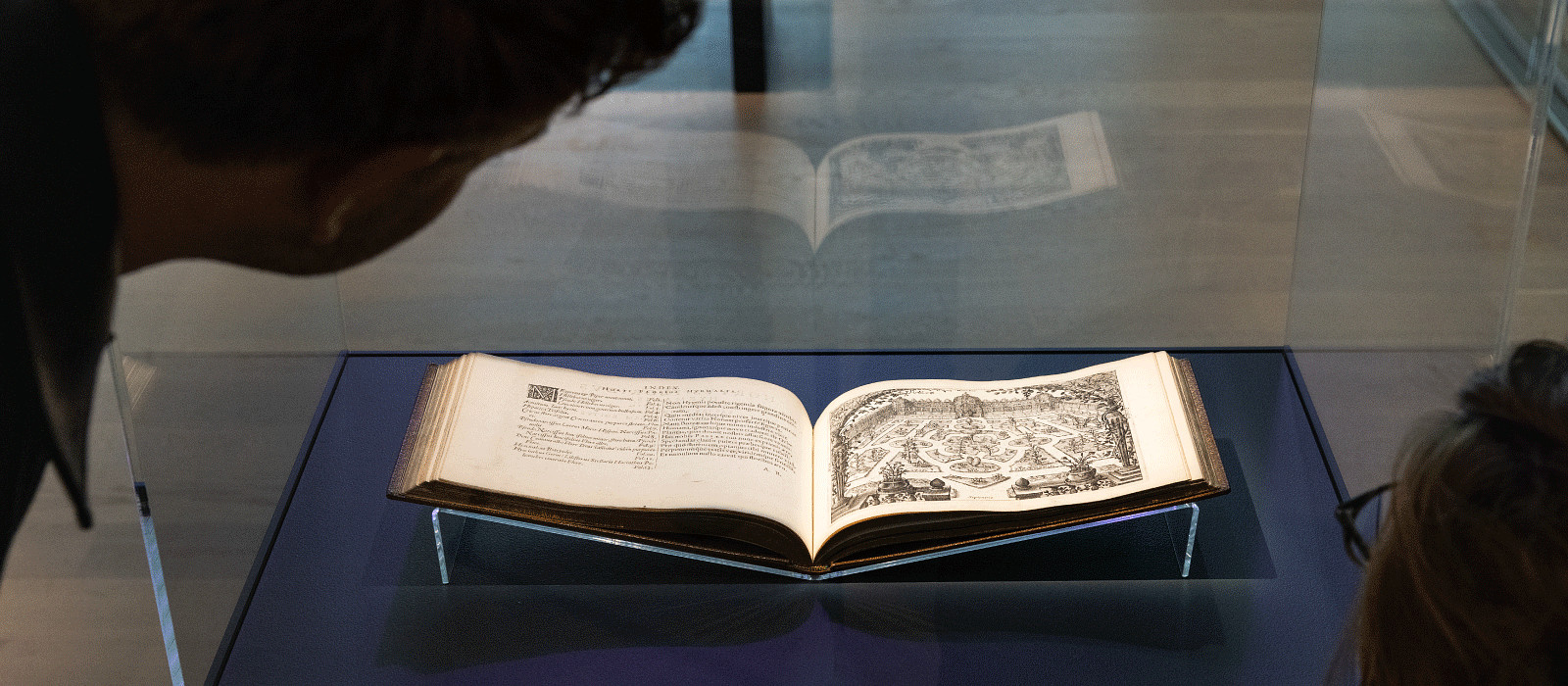
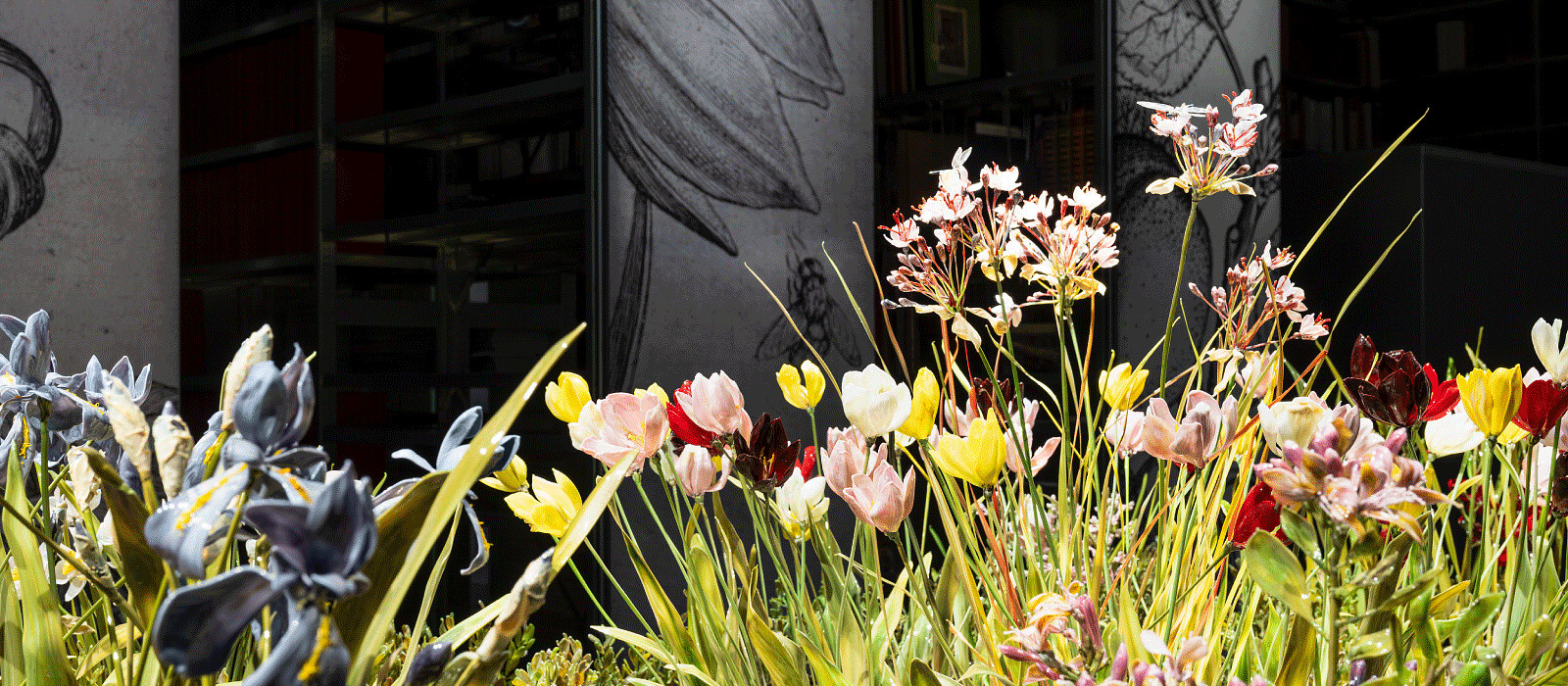
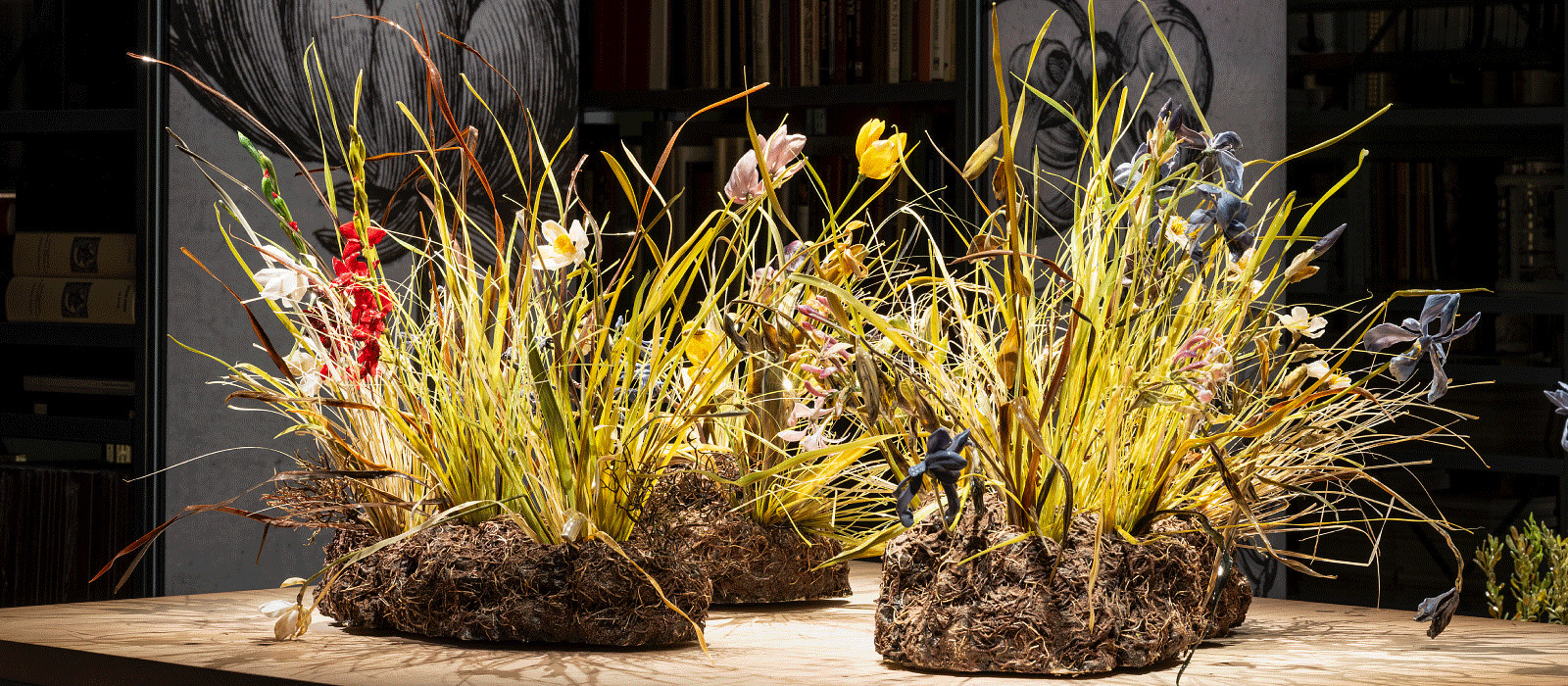
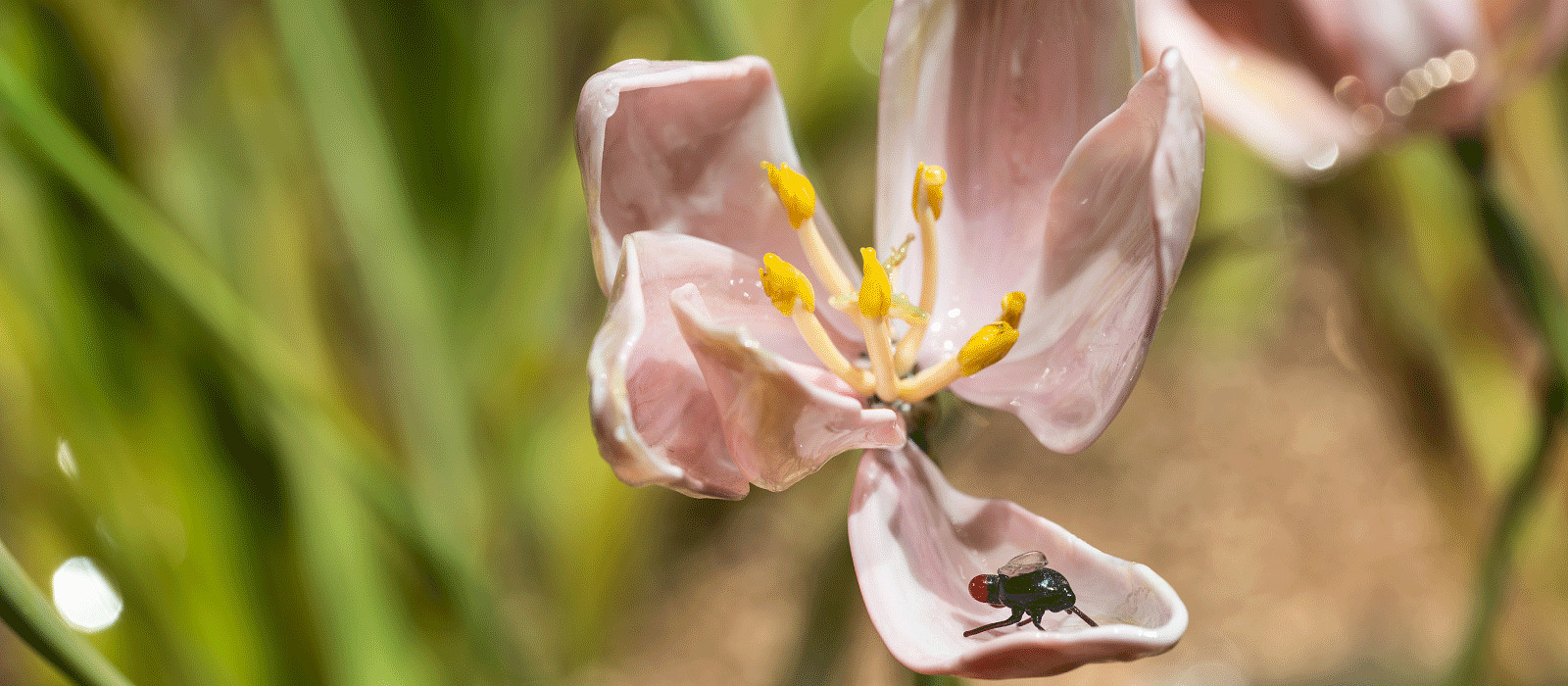
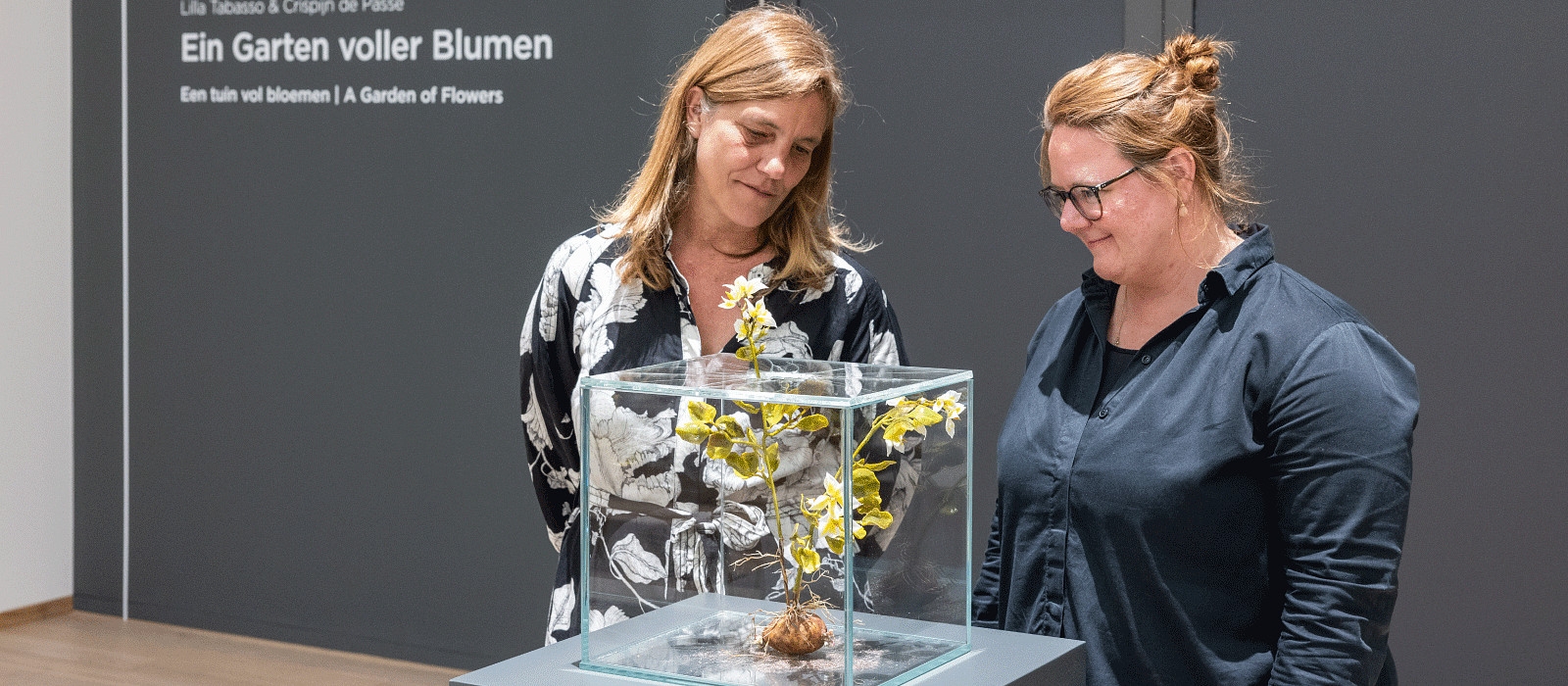
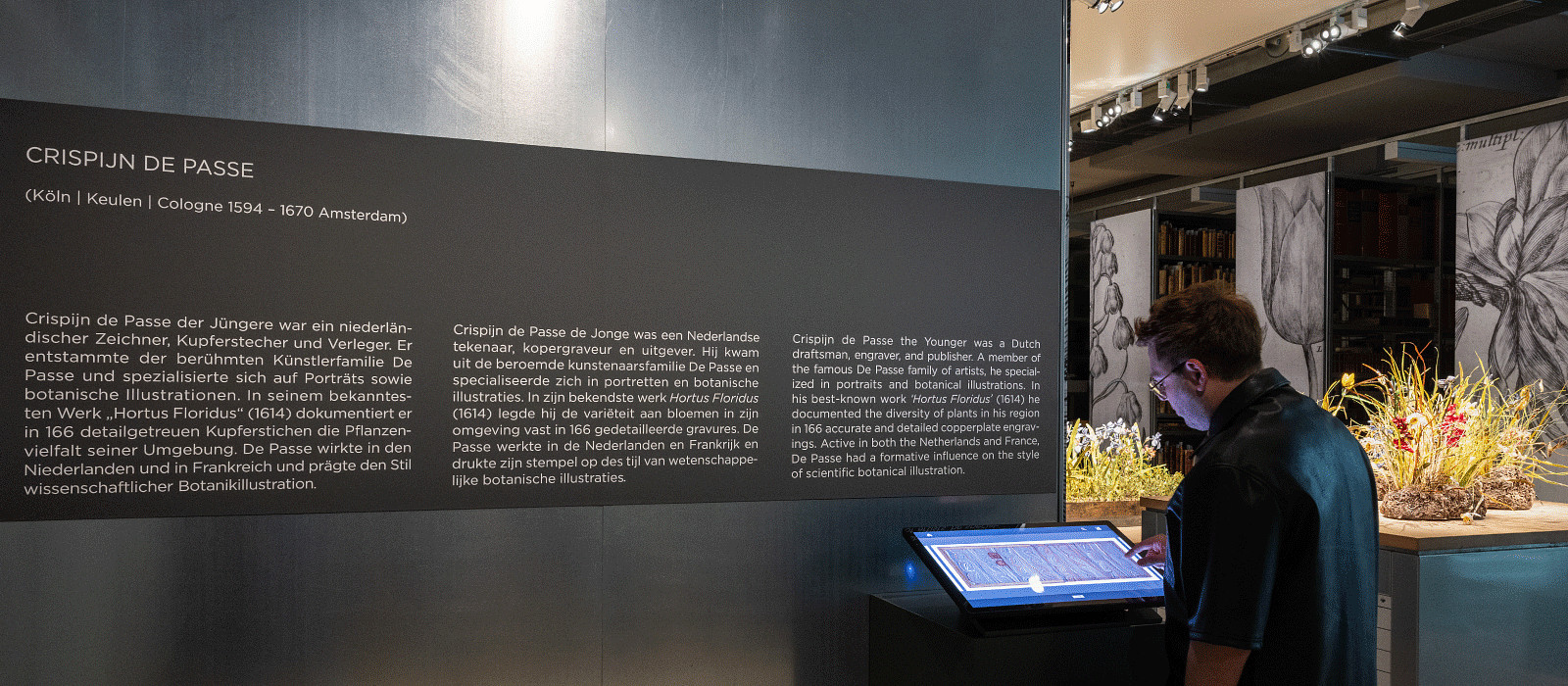
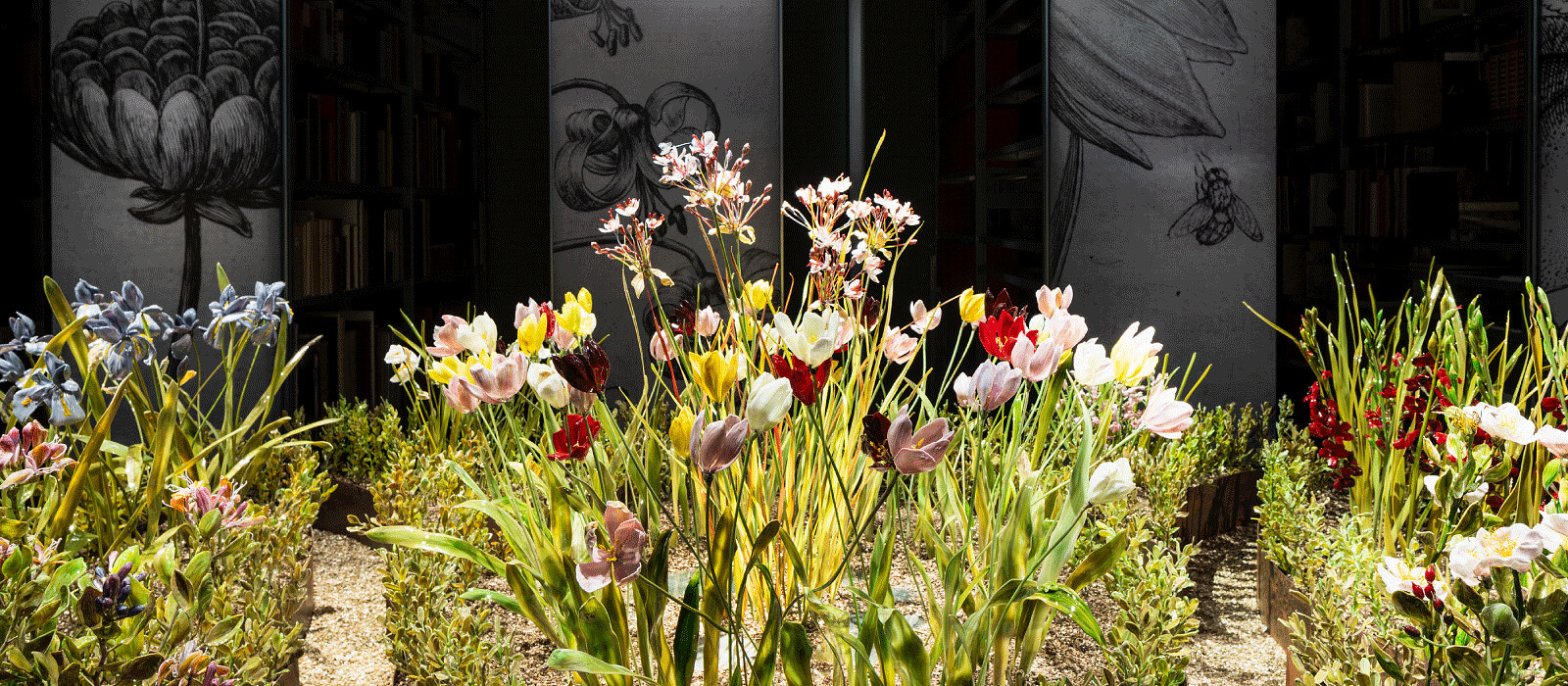
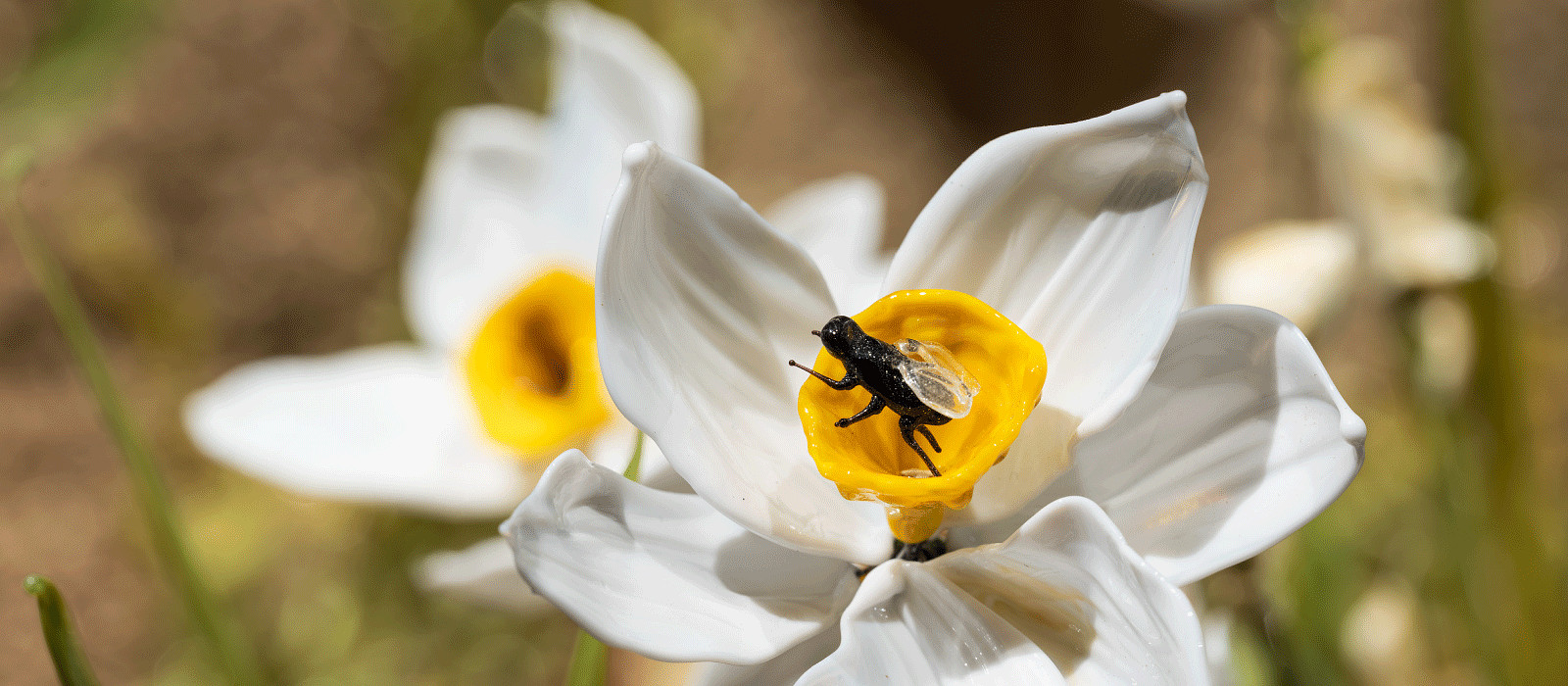
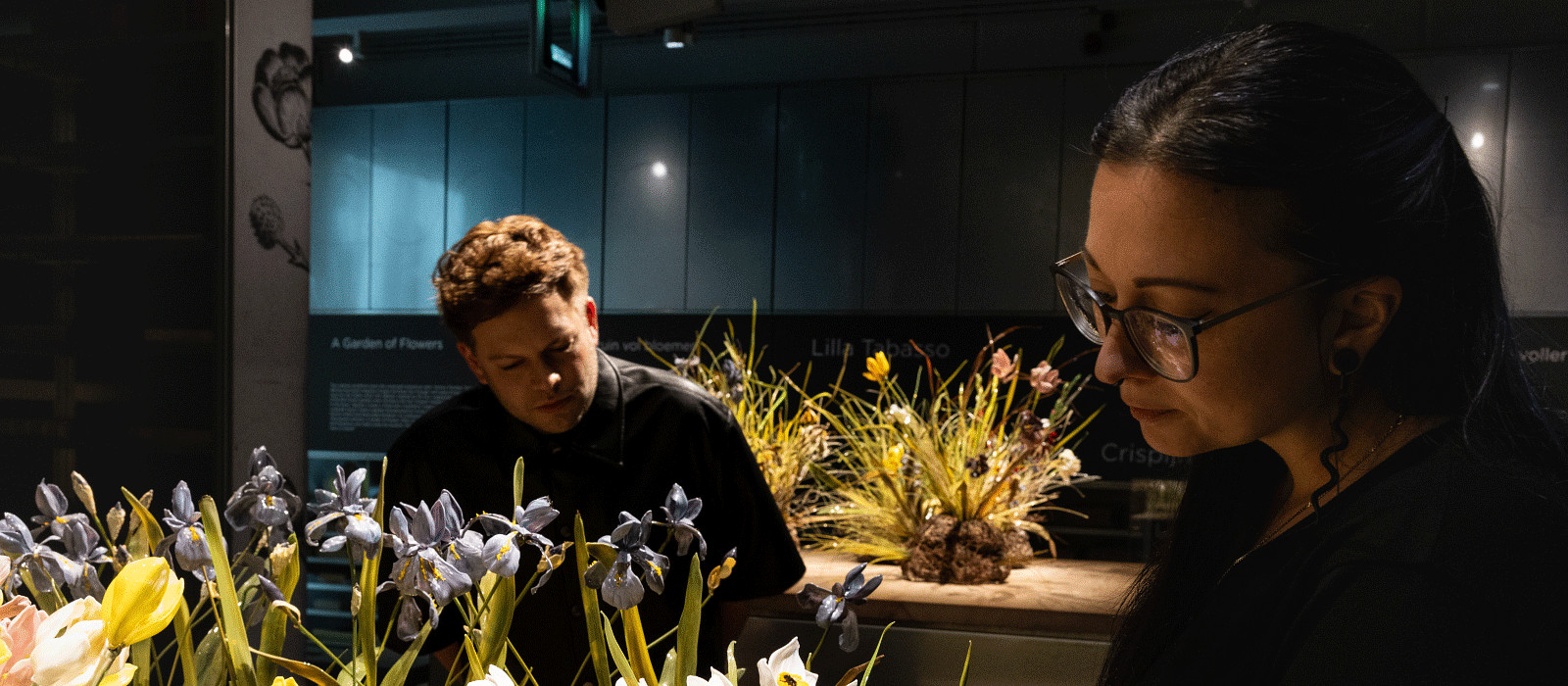
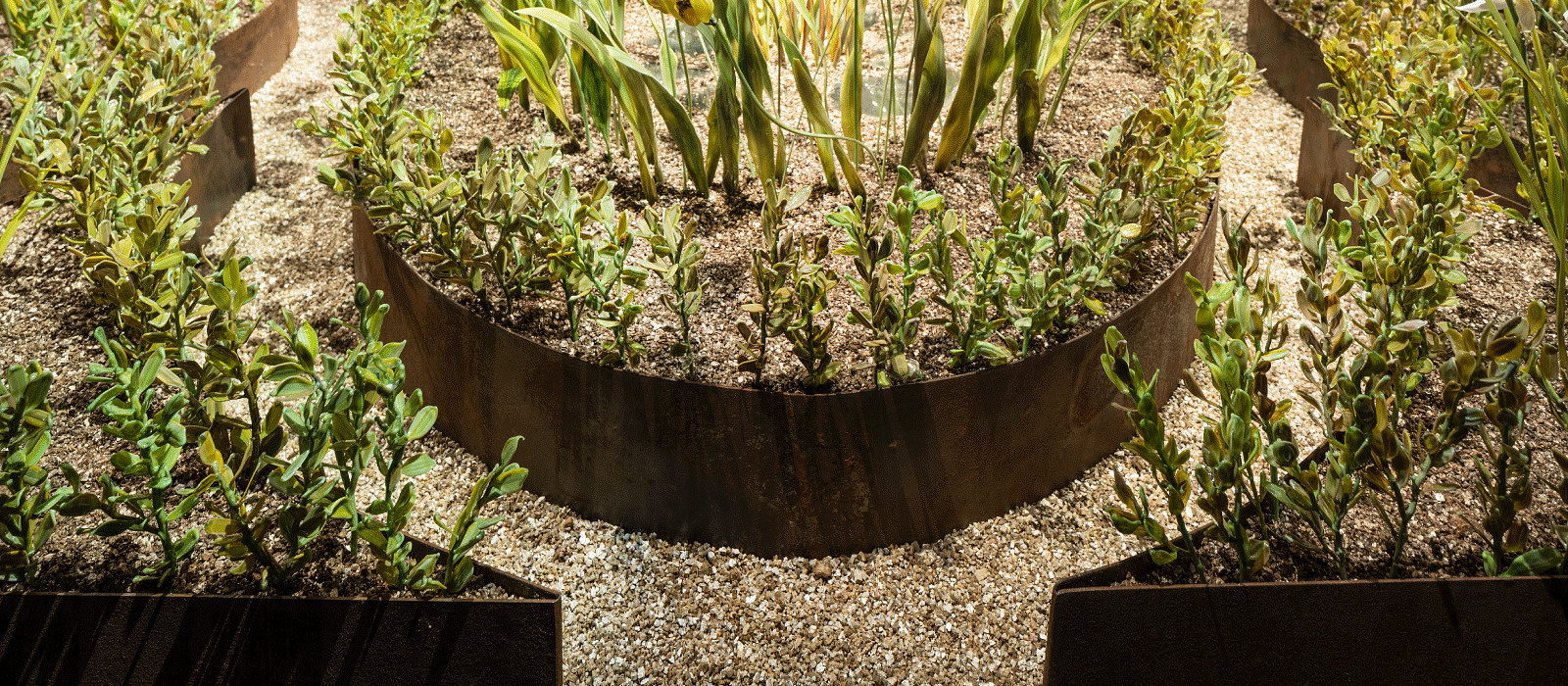
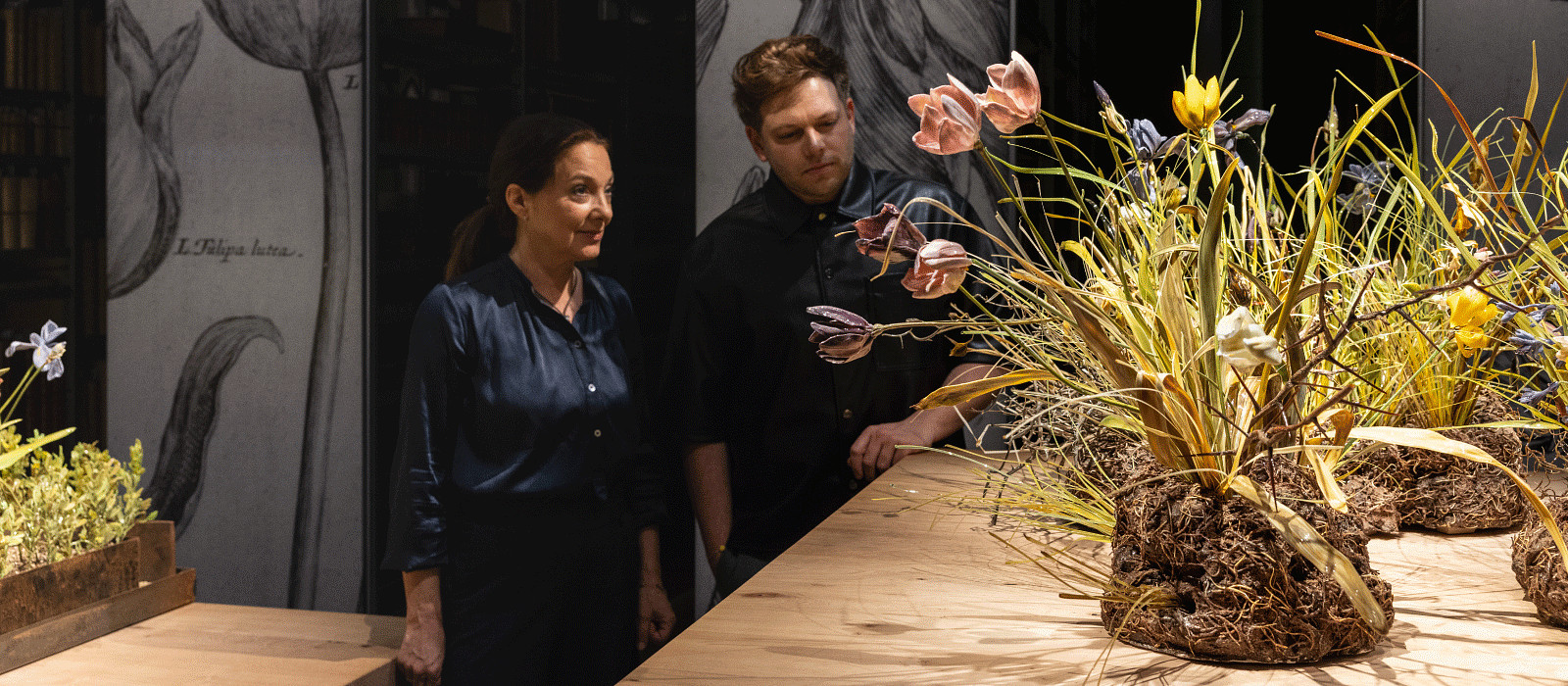
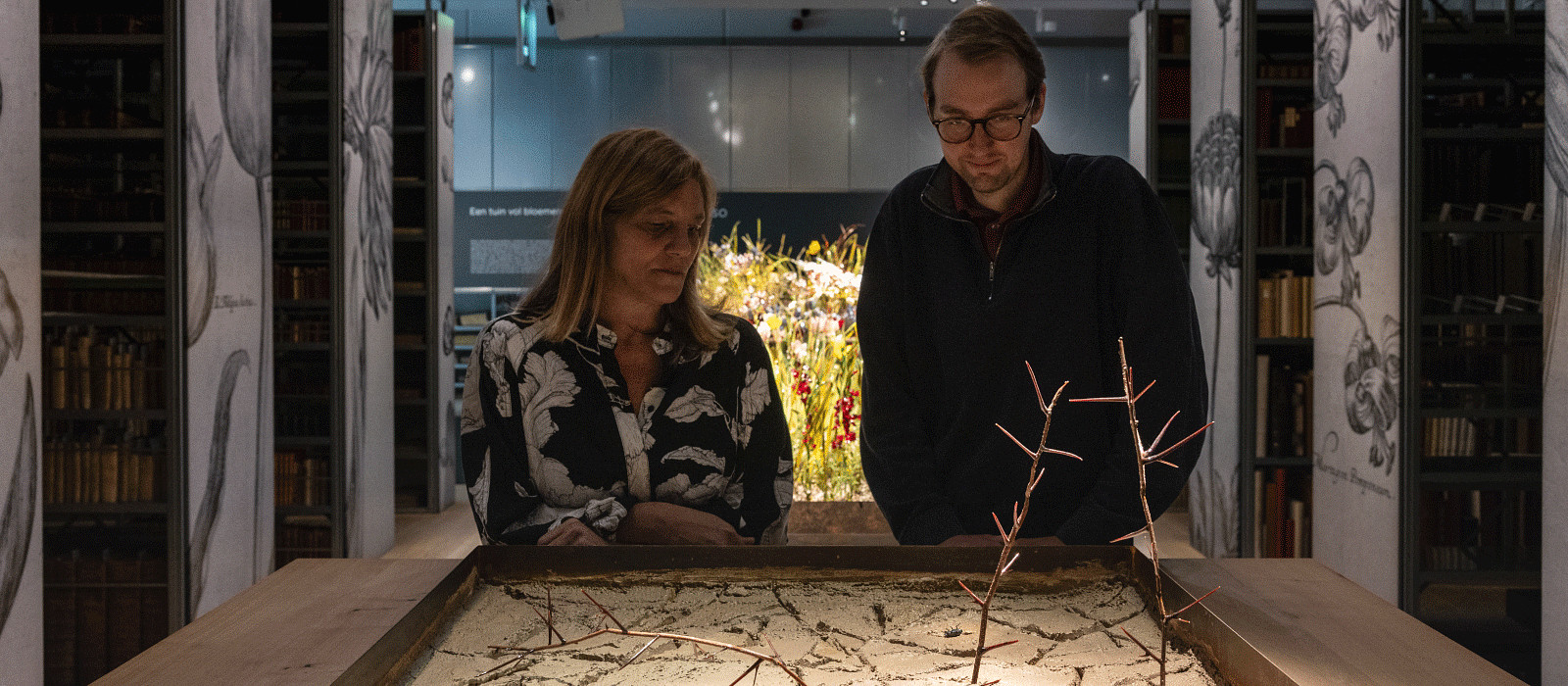
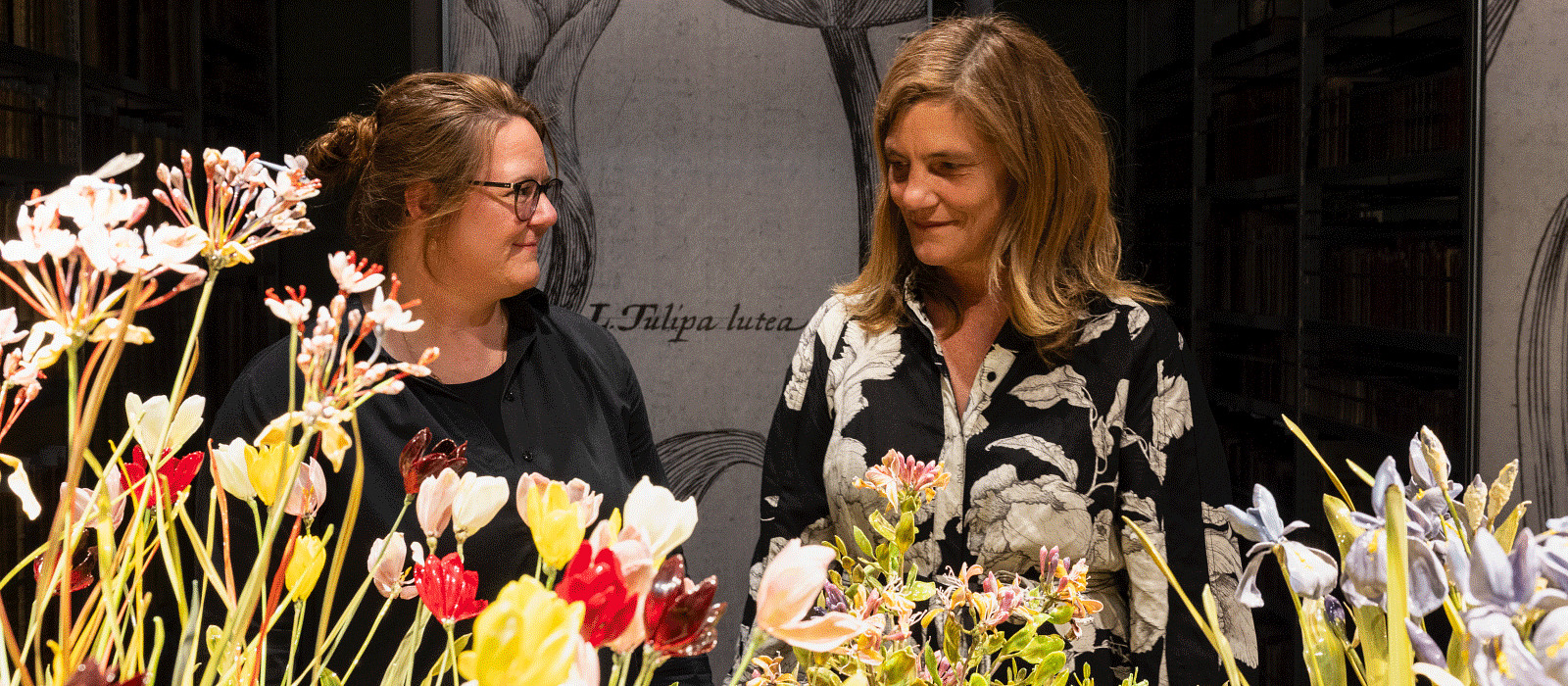
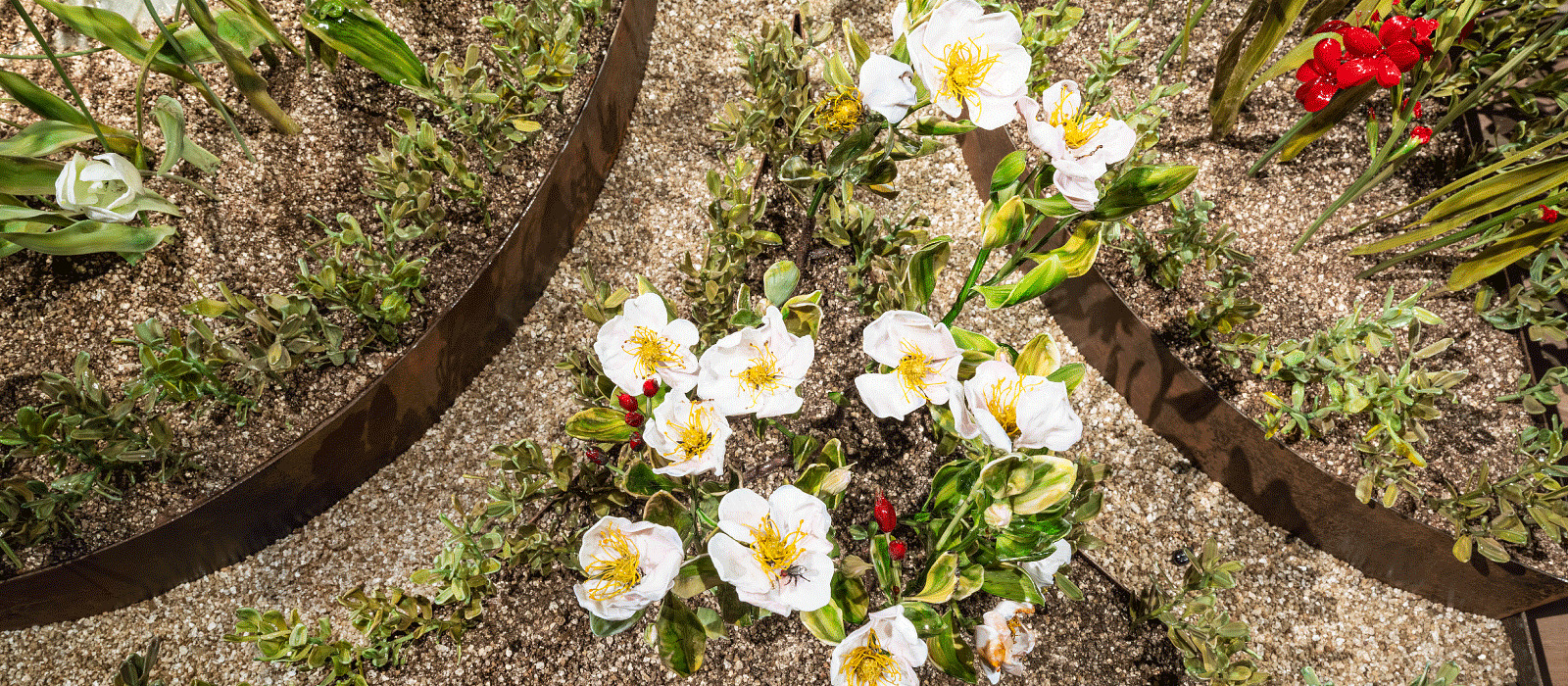
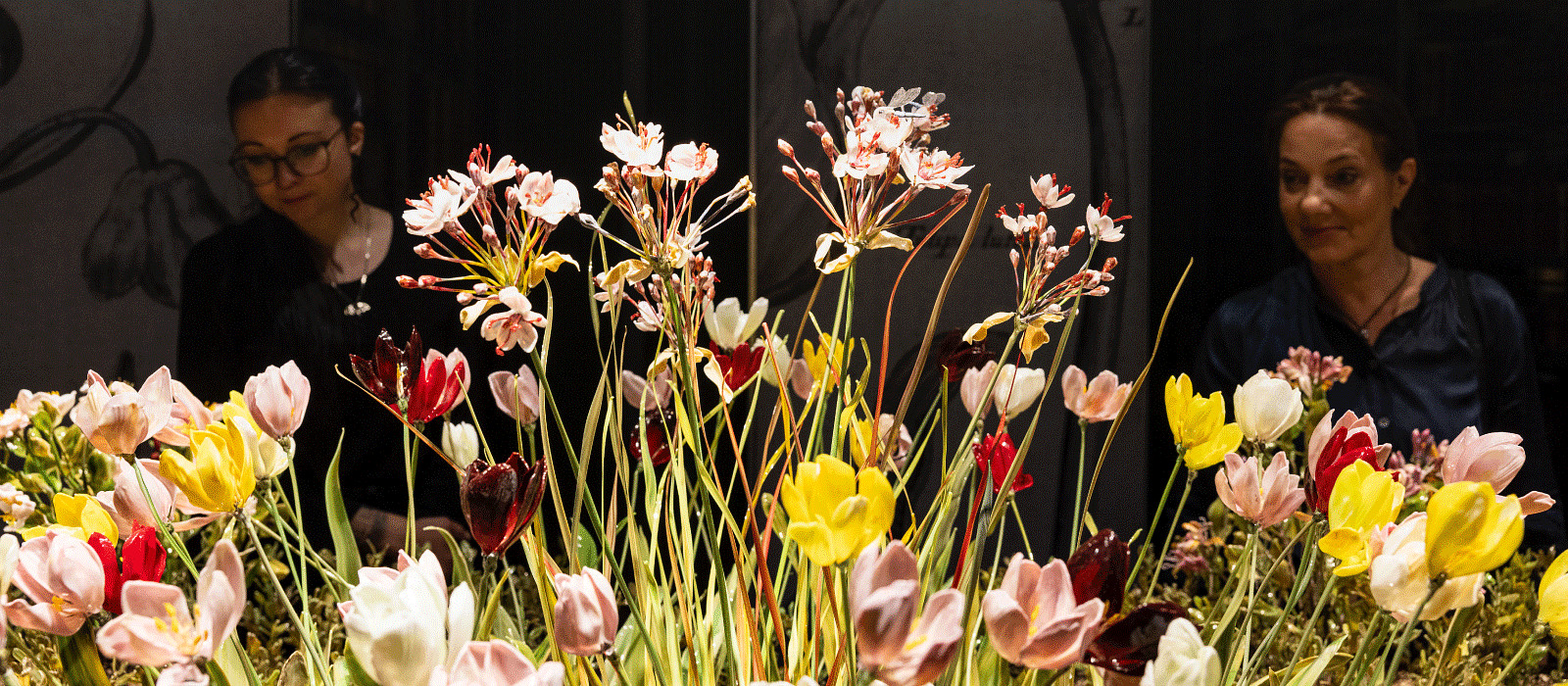
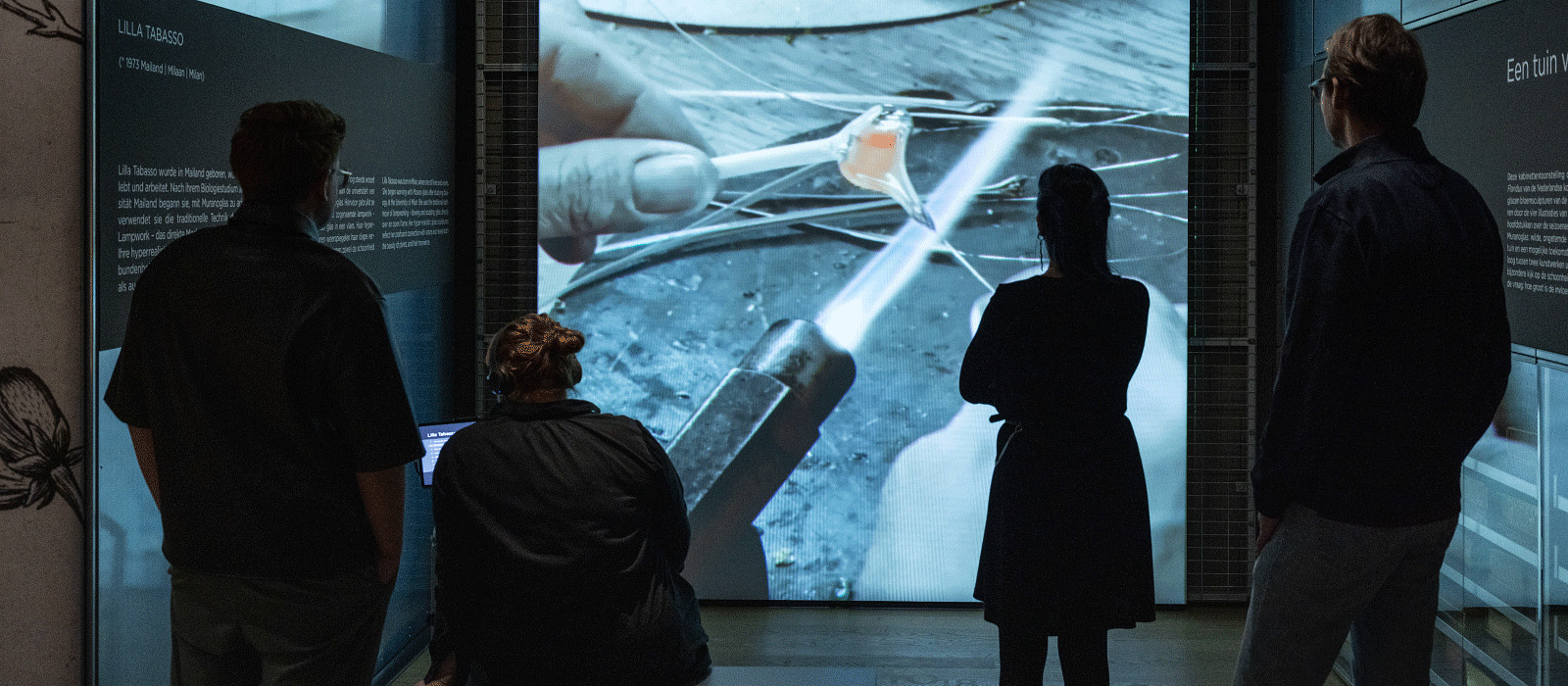
We asked the Milanese artist Lilla Tabasso if she could translate one of the old holdings in our plant book collection into her visual language. She chose one of the most important botanical works in our collection: Hortus Floridus by Crispijn de Passe. Creating a garden of glass flowers had always been her dream. For this exhibition, the artist created a three-part installation, where wild, untamed nature, untouched by humans, met a garden domesticated by human hands—all made of glass flowers. The third part depicted a possible future after the Anthropocene in which humans are no longer on the planet, showing what the world might look like if we do not take good care of nature. The exhibition also raises questions about the influence humans have on nature, what constitutes interference with nature, and how humans can benefit nature.
“This exhibition did an incredible job of sparking the imagination of visitors.”
Iris Ellers | Curator, Liberna Collection
Iris Ellershas been part of the Draiflessen Collection team since 2008 and curator of the Liberna Collection since 2012. The historian specializes in early printed books, particularly incunabula, as well as works on paper. She is primarily responsible for the showcase exhibitions in theStudy Room and for managing thelibrary.
What pleased me most was the enthusiasm and fascination I observed in the visitors. As adults, we have often forgotten this childlike sense of wonder. This exhibition was incredibly successful in bringing a sparkle of amazement to visitors’eyes.
The Missing Link
With this year’s theme, we wanted to draw attention to gaps and things that are missing or have been forgotten, as well as breaks and empty spaces. Through this work of art, Lilla Tabasso transformed highly detailed yet black-and-white copperplate engravings into sensual, three-dimensional flower sculptures. In doing so, she succeeded in bringing this old book into the present, giving the copperplate engravings color and three-dimensionality, and filling the void.
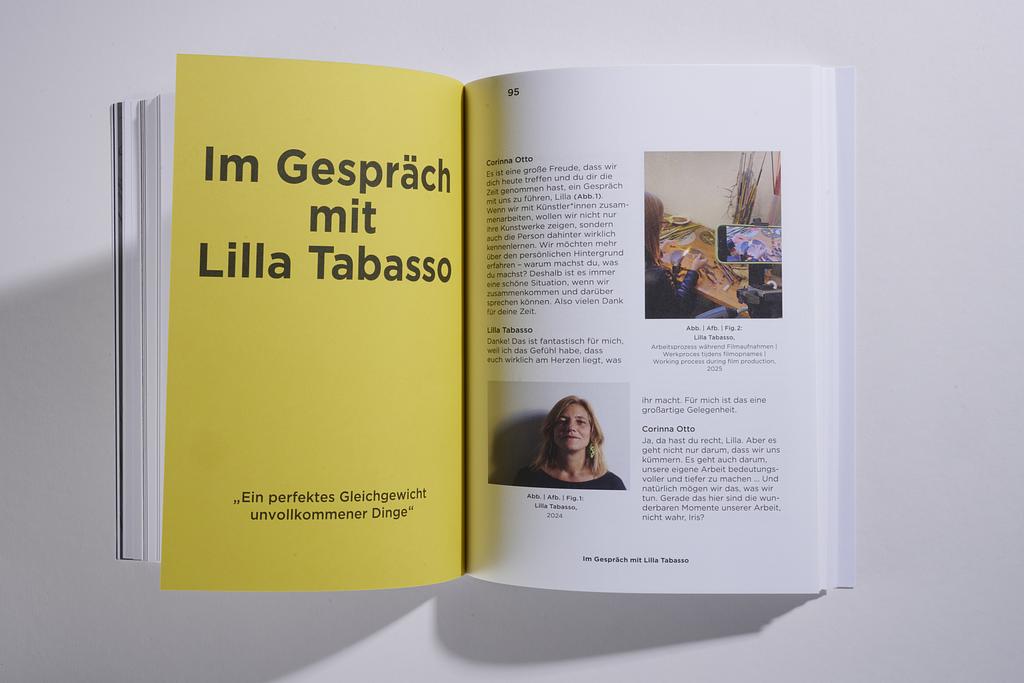
The illustrated catalogue illuminates this artistic bridge between nature, biology, and love of detail. Two essays and an interview with the artist explain the background and connections between the two works, inviting viewers to see and understand floral aesthetics in a new light.